How a Car Appointment Led Us to Museu do Traje
When we had to take our car in for a service near São Brás de Alportel, we had no idea how we would spend our time while we waited. A quick search brought up the Museu do Traje costume museum, and it looked like a fascinating way to explore local history while we waited. After breakfast and coffee, we headed over, curious about what we’d find. The friendly reception, beautiful courtyard, and tiled entrance set the tone for a museum that’s small in size but rich in stories.
Book your Algarve vacation here
Why Visit the Museu do Traje Costume Museum
This museum is more than just old clothes on display. It offers a unique window into regional fashion and everyday life from the early 1900s to the 1920s. Through thoughtfully curated exhibits, you can trace how clothing and social change went hand in hand, from Victorian-style garments to the liberated fashions of the Roaring 20s. Even the contemporary art reinterpretations provide a fresh cultural perspective. For anyone interested in fashion, history, or Portuguese culture, this stop makes for a meaningful and memorable visit.
The Entrance & First Impressions
The entrance of the museum has a beautiful little courtyard. The walls are tiled, and there is a beautiful iron dress horse. There is a small pond with Koi fish that also has an iron cage over it. The ground is also tiled with beautiful, large tiles.
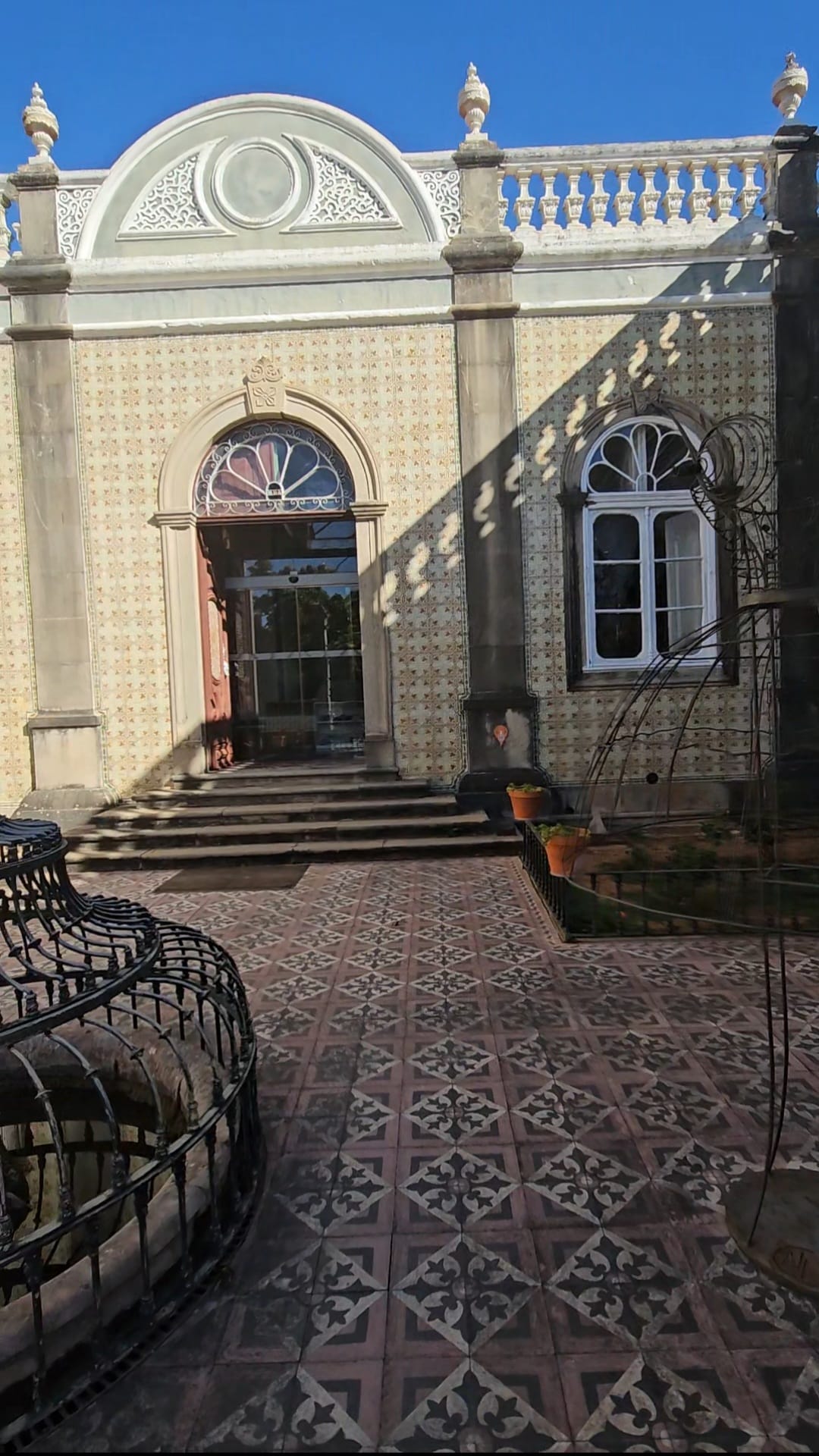
We walked in and the receptionist was extremely friendly. She gave us a small overview of the museum. She explained that there were multiple parts of the museum. Of course, there was the costume part, but there was also an exhibit about the cork industry, and an exhibit of the rural environment history. The entrance cost was €2,50 each. We downloaded the app and started on the journey.
This post will just be about the costume section of the museum. Even though it was not a very large museum, it did have a lot to offer, so I will separate it into parts. Read part 2 here
Time Asked Time What Time Time Had
The first room of the museum had a really cool art mural on the walls that was created by a group of contemporary graffiti artists, Bean and Zen. They are from Olhao, which is a town close by. Olhao is known for its really great street art. The artists were asked to design the room based on a Portuguese tongue-twister “Time asked Time what time Time had.” And they did an amazing job of interpreting that. In the center of the room is the mechanism of the original, old clock tower from the main church of the town, which operated from 1903 to 1920.
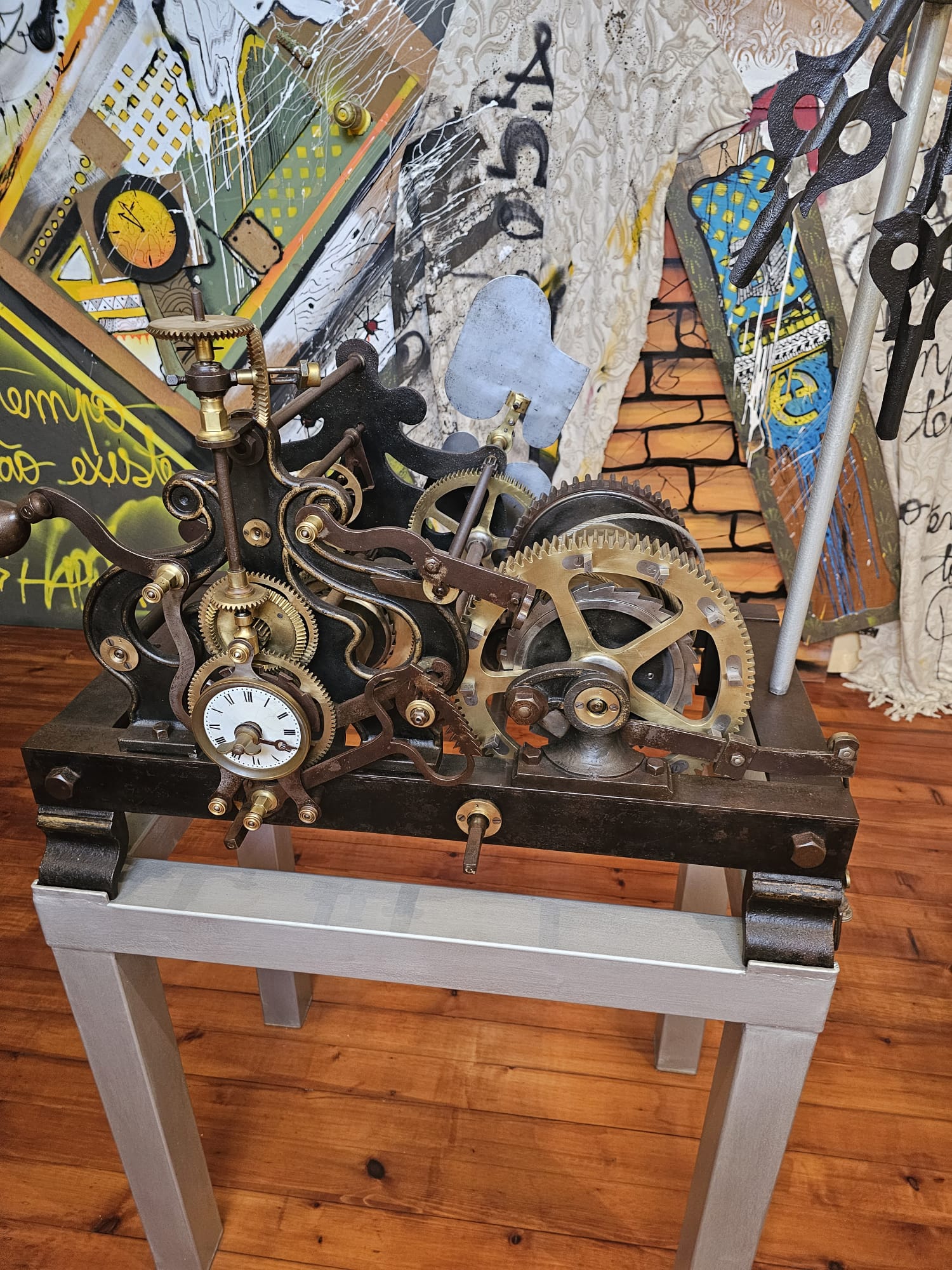
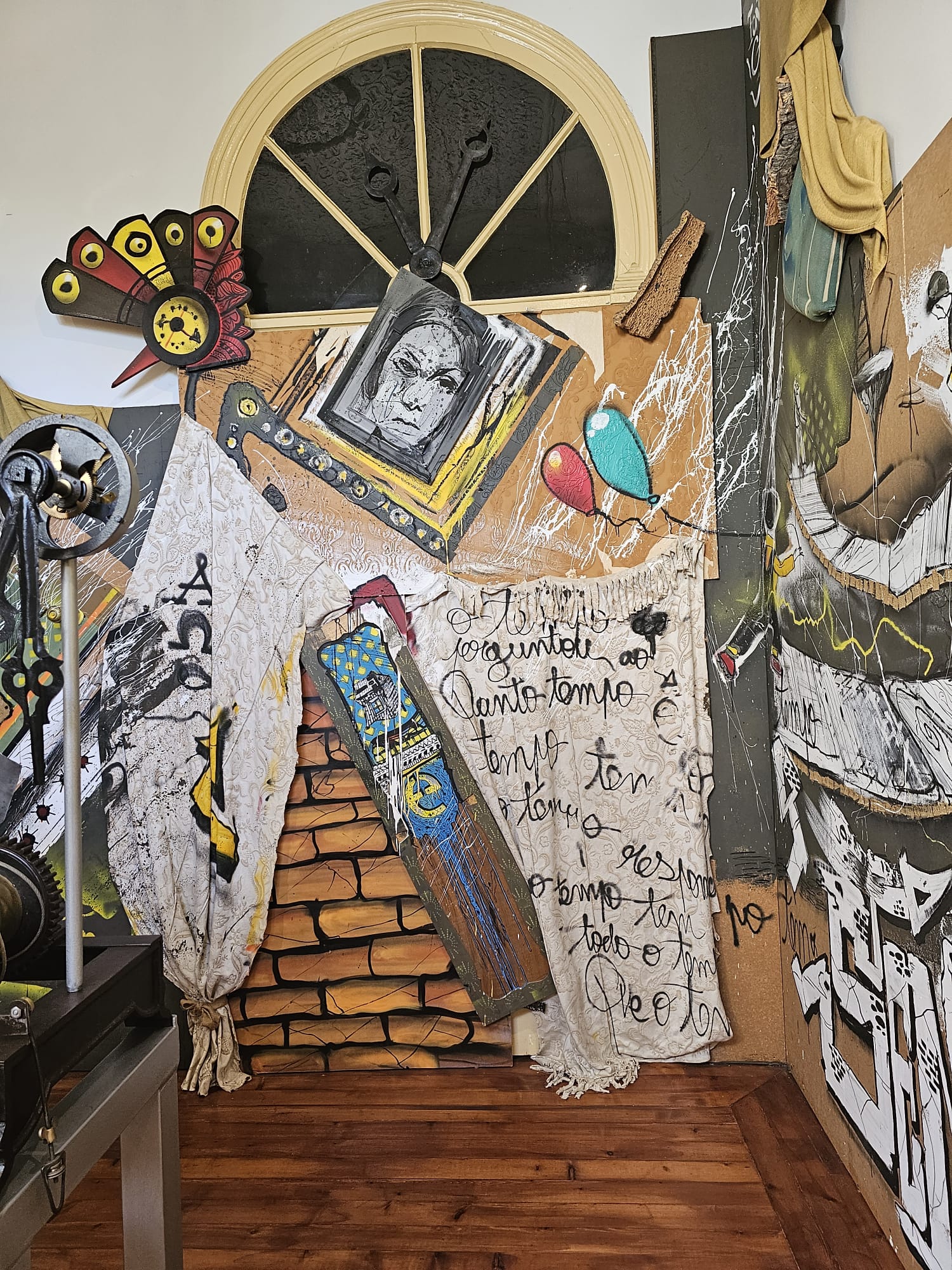
The Gears of Time Exhibit
The Gears of Time starts with a Time Corridor and will take you on a journey of the history of Portugal from the 1900s until the end of WW1 and 1920’s. It begins with a small corridor with old photographs of some of the families of São Brás de Alportel. The pictures range from 1900-1930’s. The pictures display the time from the end of the monarchy to the First Republic, then to the Great War where many lost their lives and ends with the Times of Hope and Uncertainty which came with the end of World War one and a new Dictatorship.
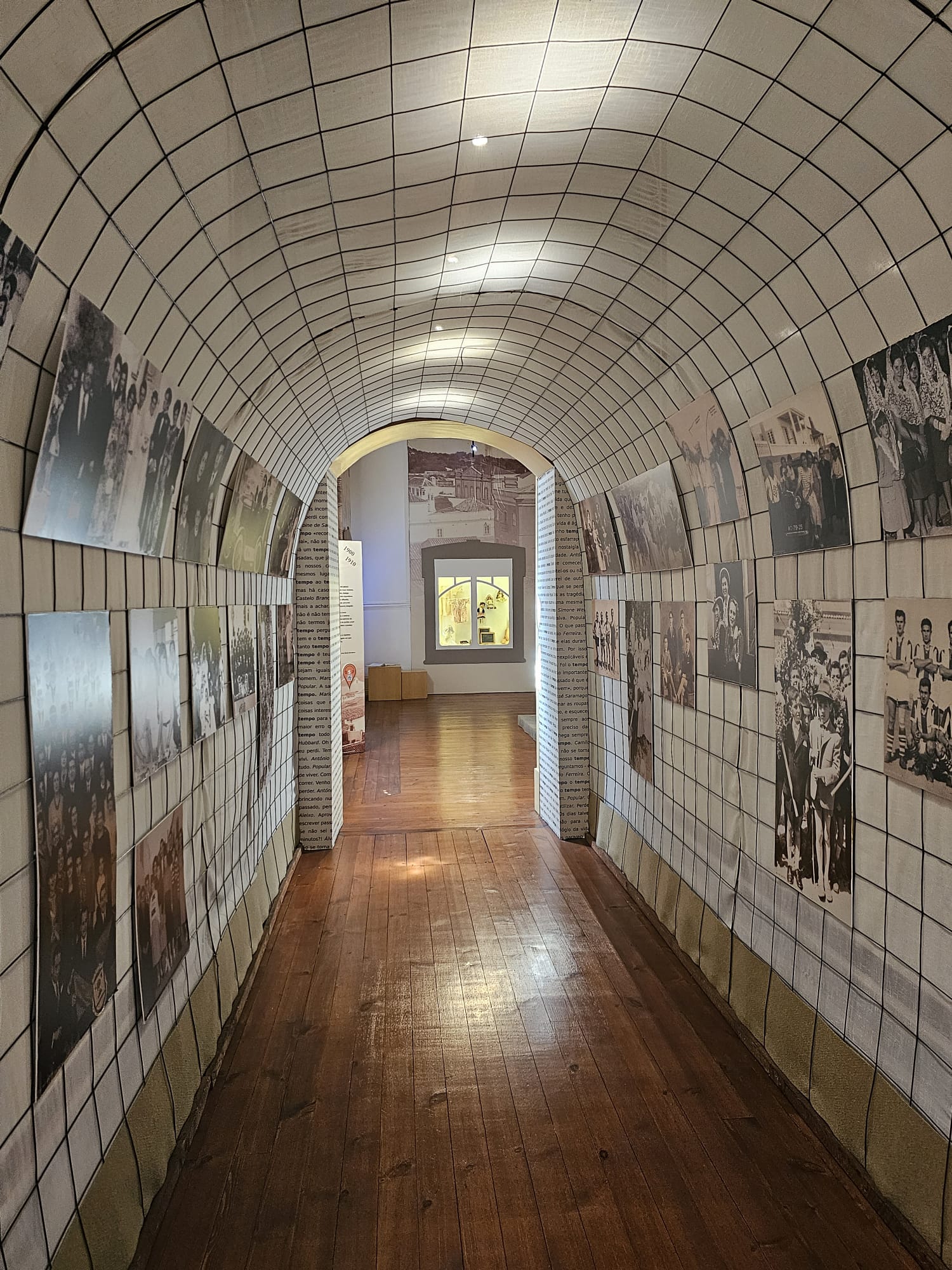
Faraway Times: Fashion of the Early 1900s
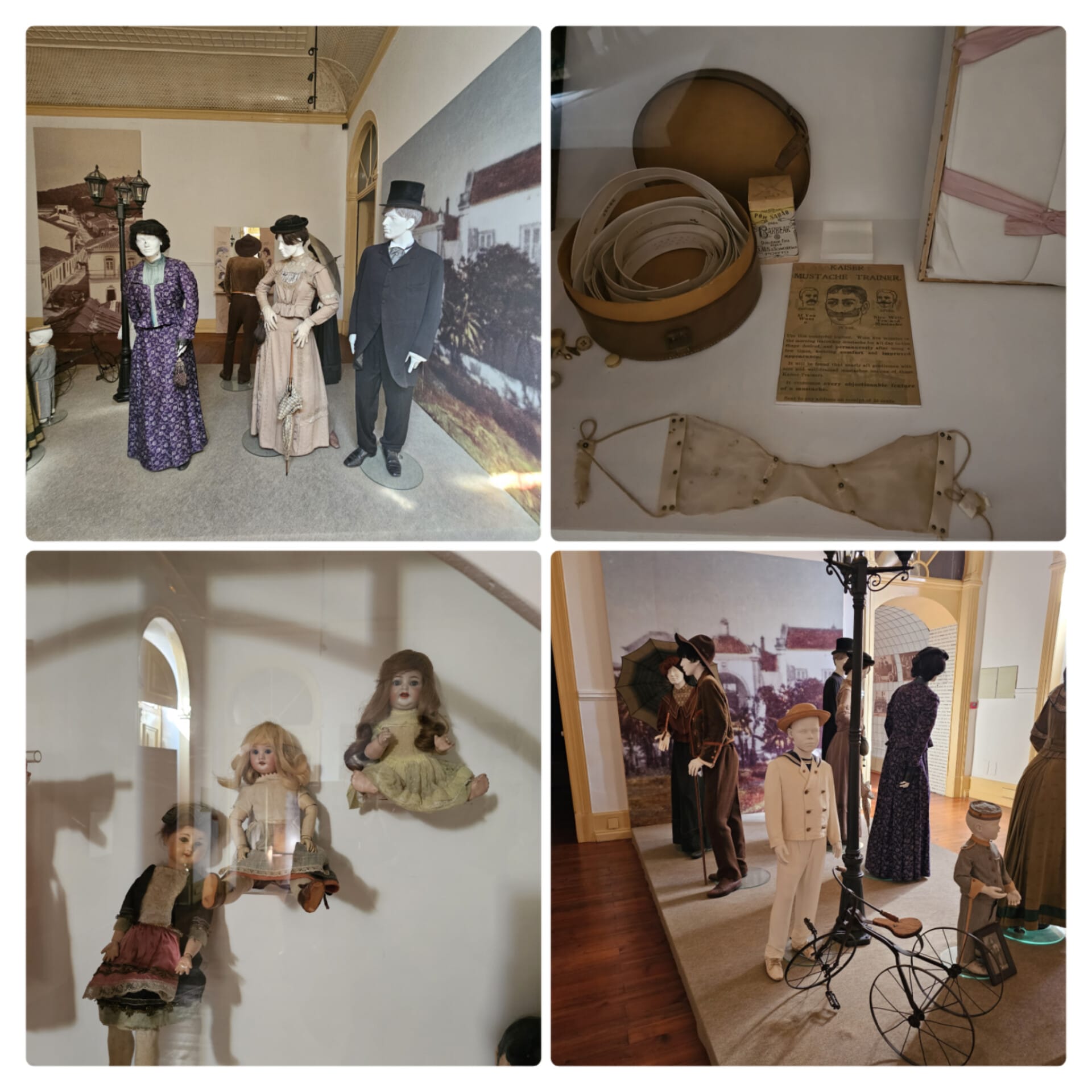
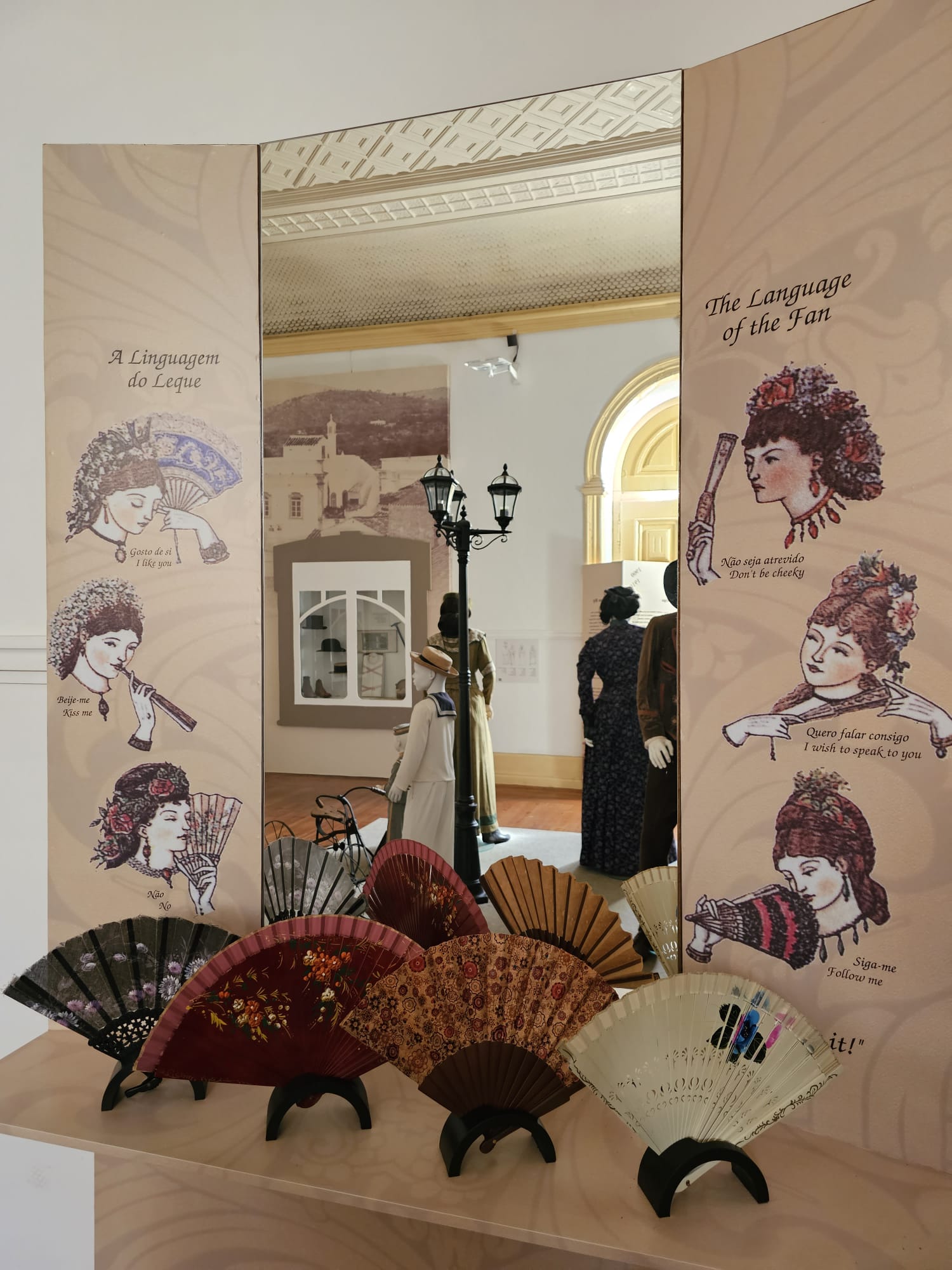
This was one of my favorite rooms. It showcased the fashion of the Algarve in 1900. The dresses look heavy and warm and cover almost everything. It would have been very inappropriate to show any skin other than face and hands at the time. It was common to dress little boys up in military-style outfits, and the men wore suits. And everyone had a hat. Along the walls were windows that showed what you could buy in the local shops at the time. There was a window that showed a mustache trainer with the original instructions on how to use it. Another window showed dolls and toys. There was also one with a pair of women’s boots. The dolls were a little creepy, not going to lie, but old dolls always seem to be for some reason. My favorite part of this room though was at the end, “The Language of the Fan.” It was a display of old hand fans and a mirror. Along the mirror were illustrations and instructions on how to use your fan to flirt. The mirror was so you could practice. I got pretty good at the “No” 😂
Turbulent Times: Fashion and Society Through the Decades
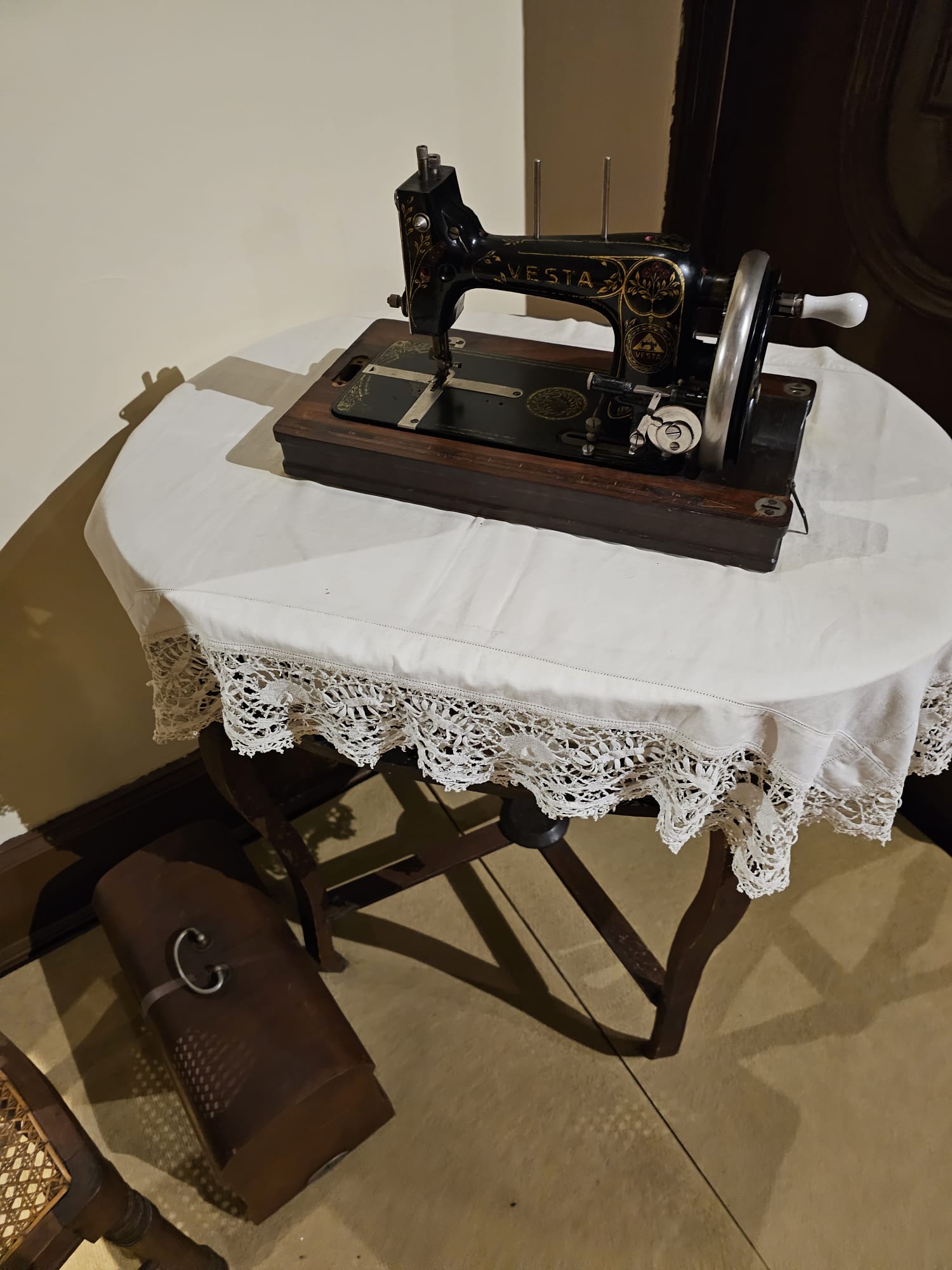
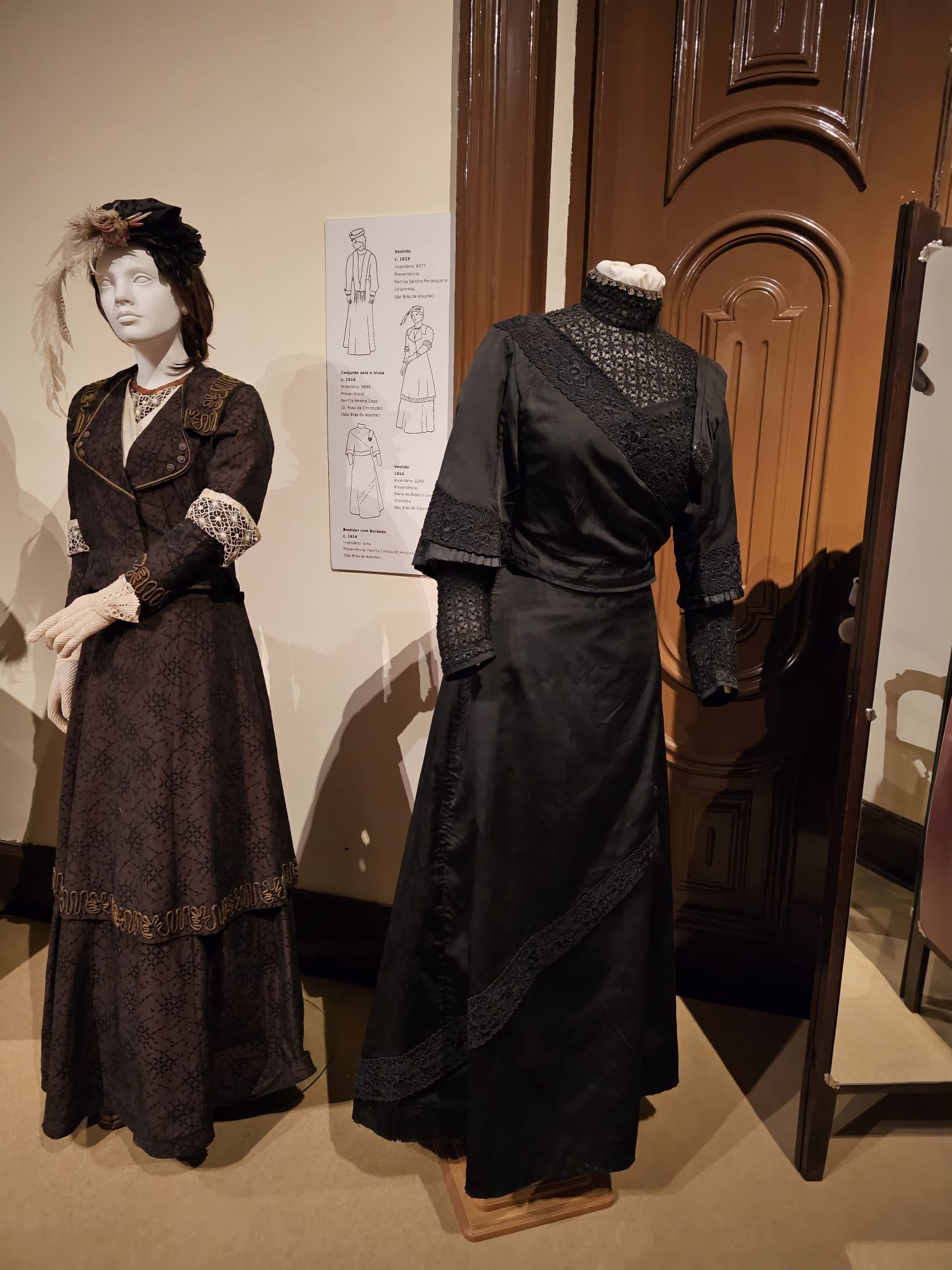
The next room showed the fashion from 1910 and also described the political situation of the time. 1910 was the end of the Monarchy, which had ruled Portugal for over 700 years. There were newspaper articles on the walls from 2 local newspapers that continuously opposed each other. The fashion of this time was a bit different but women still remained completely covered. There was also a beautiful vintage Vesta sewing machine.
In the Trenches: World War One and Its Influence
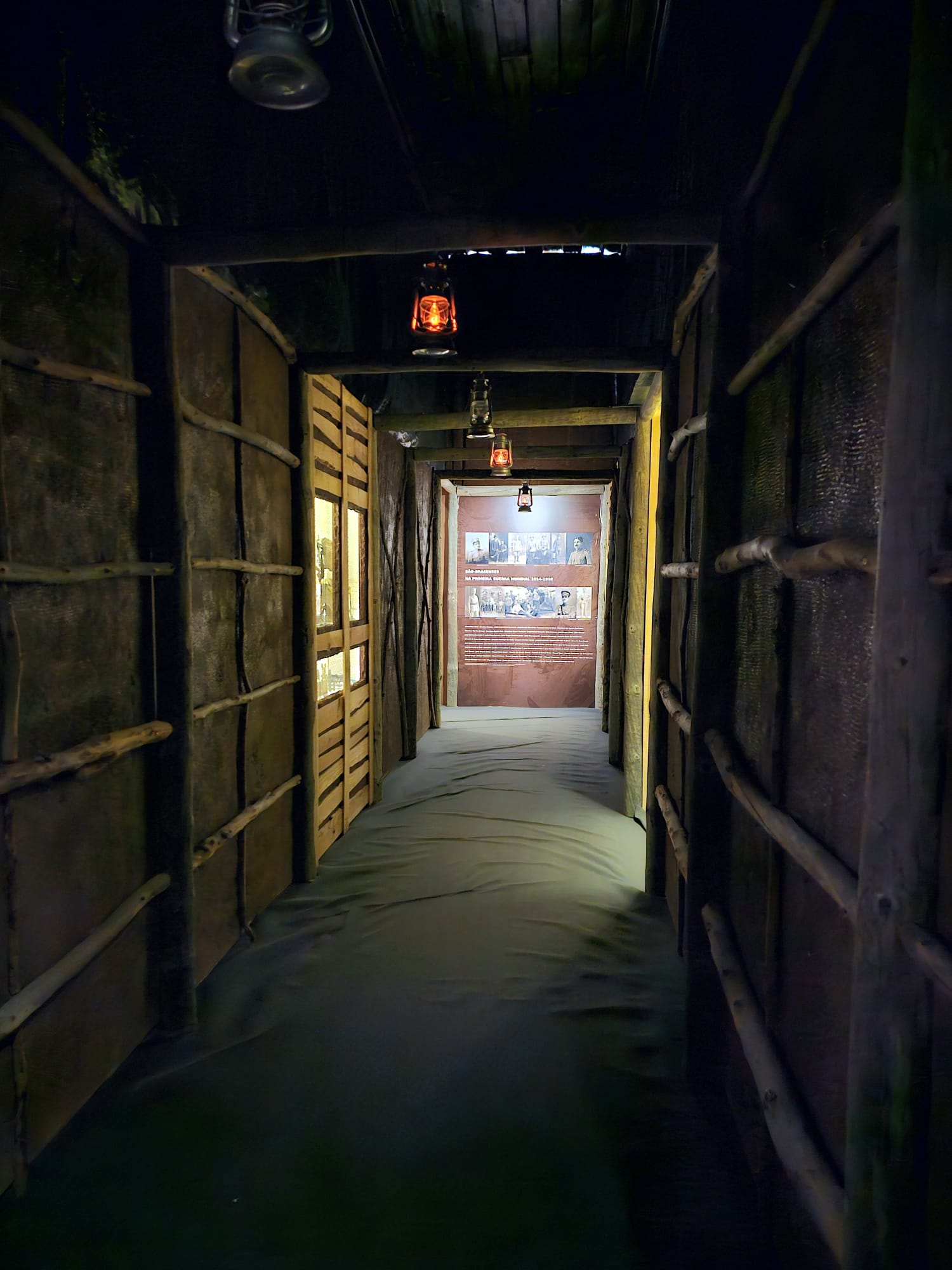
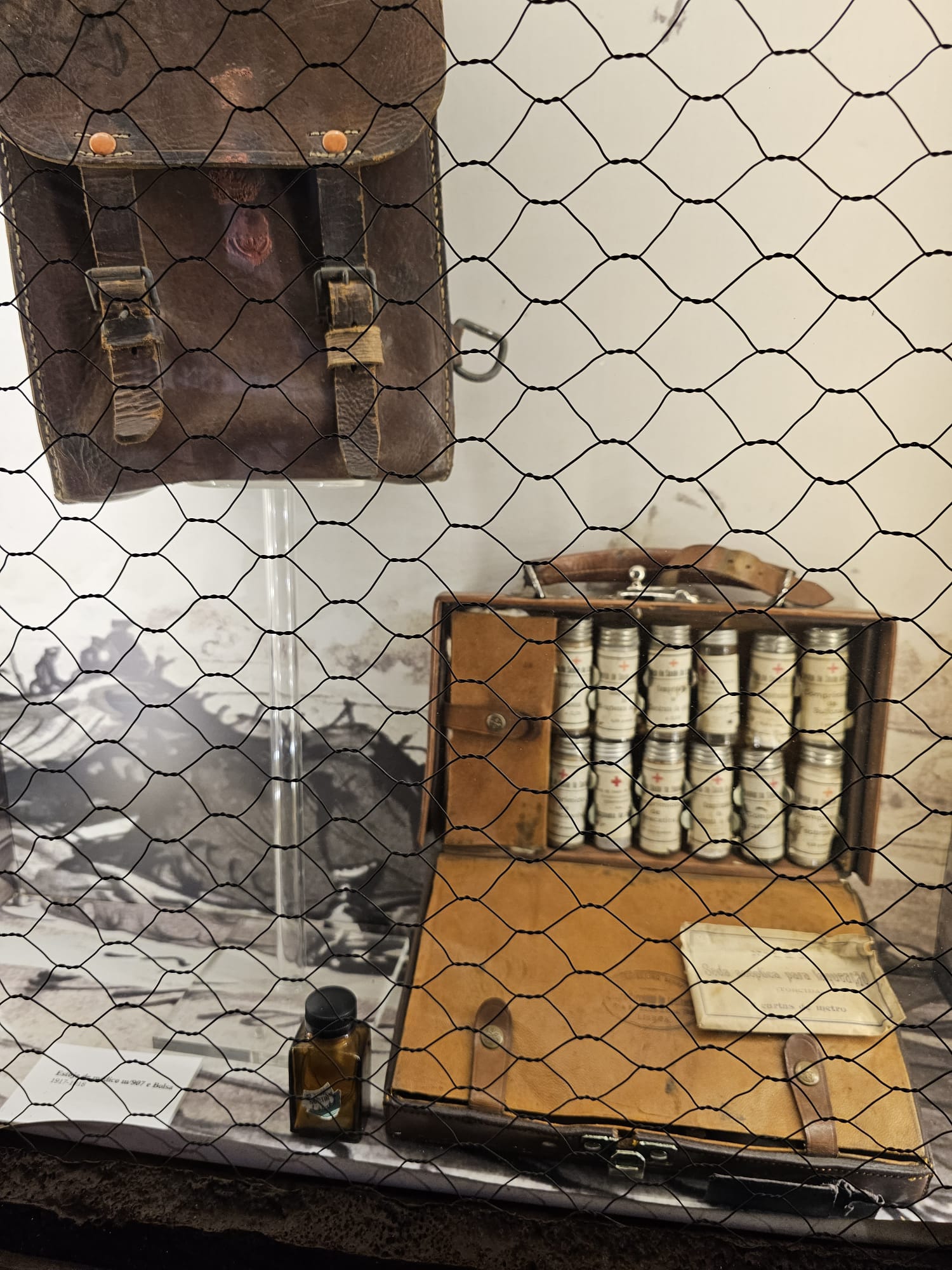
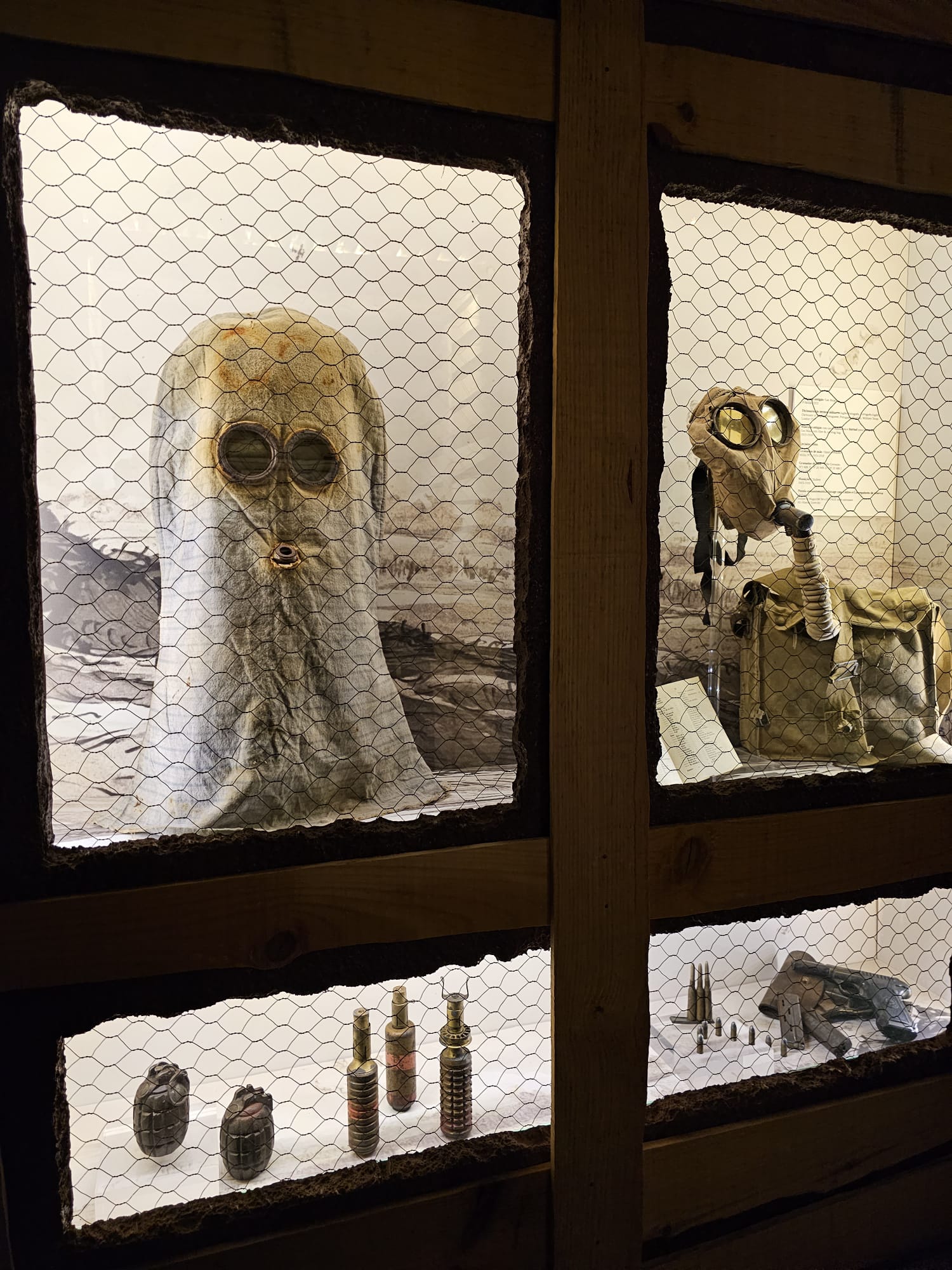
The next exhibit showed a trench from the First World War. The main benefactor of this exhibit was Jose Viegas Louro who was a military doctor in the war. There are some of his personal items from the war on display here. This was the first time that poisonous gas was used in warfare and there are some gas masks on display as well. There are also some grenades, guns, ammunition, and medical supplies.
Times of Hope and Uncertainty: From the Roaring Twenties to New Styles
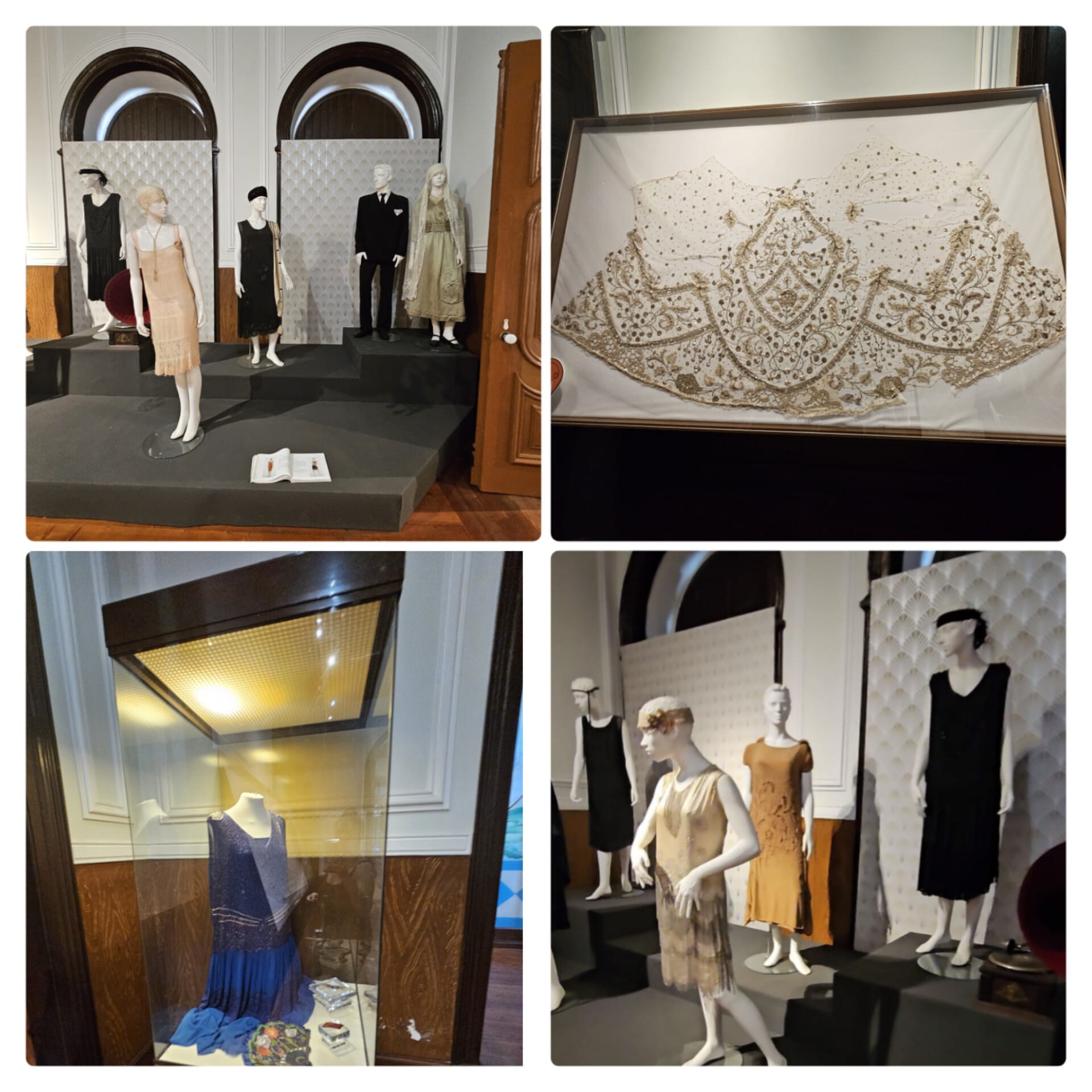
This was another of my favorites. The War was over, and there were economic and social changes in Portugal. And with that came new fashion. The Roaring 20s dresses were popular in the Algarve and now women could show their legs! This room had beautiful flapper dresses on display. They were intricately beaded and made with more delicate fabrics compared to the heavy garments seen in the previous rooms. This was the end of the Gears of Time Exhibit.
Modern Art Interpretation: Marilyn Revisited
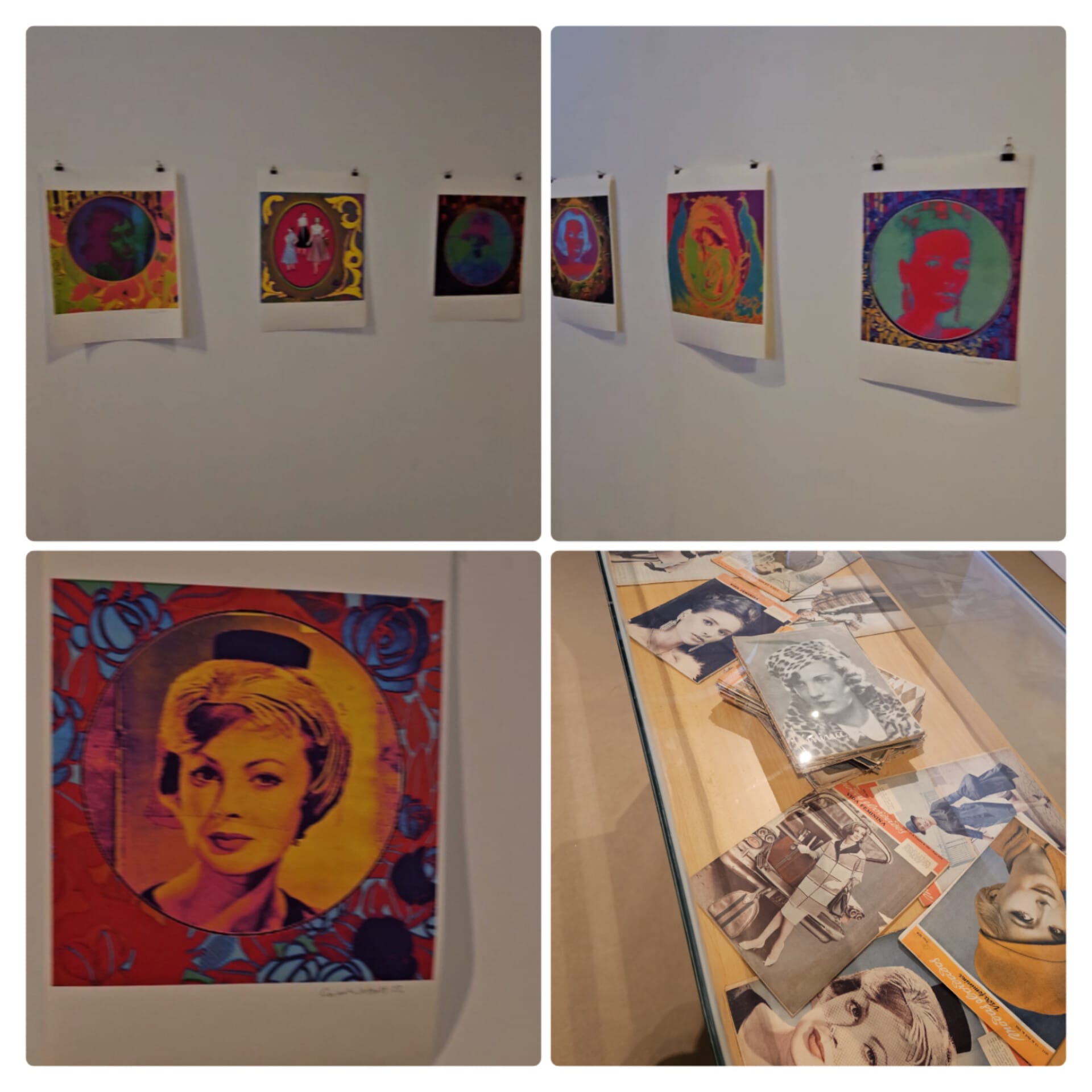
There was one last room where an artist named Charlie Holt was invited to do a project based on anything in the museum. They chose to reinvent some magazine covers from the 1920-30’s. They reimagined them in the style of Andy Warhol as he did with his Marilyn Monroe portraits.
Visitor Tips for Museu do Traje Costume Museum
- The museum is located in São Brás de Alportel and usually charges a small entrance fee.
- Plan for about 45 to 90 minutes to explore comfortably.
- The museum uses informative displays to connect fashion with wider historical moments.
- Photography may be limited inside: check signage.
- Nearby towns make this a great half-day outing if you’re in the eastern Algarve.
Travel guides:
If you’re exploring São Brás de Alportel, check out my posts on Tavira and the eastern Algarve seasons
Is the Museu do Traje Costume Museum Worth Visiting?
The Museu do Traje costume museum may be smaller than big city museums, but it delivers a fascinating look at fashion history, social change, and regional culture in Portugal. Even if you’re not a fashion enthusiast, the thoughtful storytelling, locally rooted exhibits, and creative interpretations make it an engaging visit. If you find yourself near São Brás de Alportel or want a cultural museum experience in the Algarve beyond beaches and food, this stop is absolutely worth your time.
Follow Me
Don’t forget to check out my Instagram @vegas.to.portugal for more pics and videos about the museum and for more about my life as an expat in Portugal 💙
October 1, 2023 at 11:40 pm
👏👏👏