If there is one thing that will change your life when you move to Portugal, it is the wine. This Portuguese wine guide comes from someone who used to refer to red wine as “grown-up wine” and meant it as an insult. I was strictly a Moscato and Stella Rosa person; sweet wines only, nothing dry, nothing serious.
Portugal broke me of that very quickly, and I could not be more grateful.
Wine is completely woven into the culture here. It is not unusual to have a glass at lunch, and it is basically a given at dinner. Portugal has around 13 wine regions producing an incredible variety of styles, and the best part is that none of them will break the bank. You can pick up a genuinely delicious bottle at the grocery store for €2. In the US, a €2 bottle of wine is going to give you a headache and regret. Here it is just Tuesday. Even at a restaurant, a full bottle or carafe of house wine runs around €10, which is less than a single glass costs back home.
A few months after moving here, I took a sip of a dry red my friends were drinking, fully expecting to hate it. It was deep and dry with zero sweetness, everything I had always avoided, and I loved it. I have been doing extensive research ever since, purely for science. Here is everything I have learned.
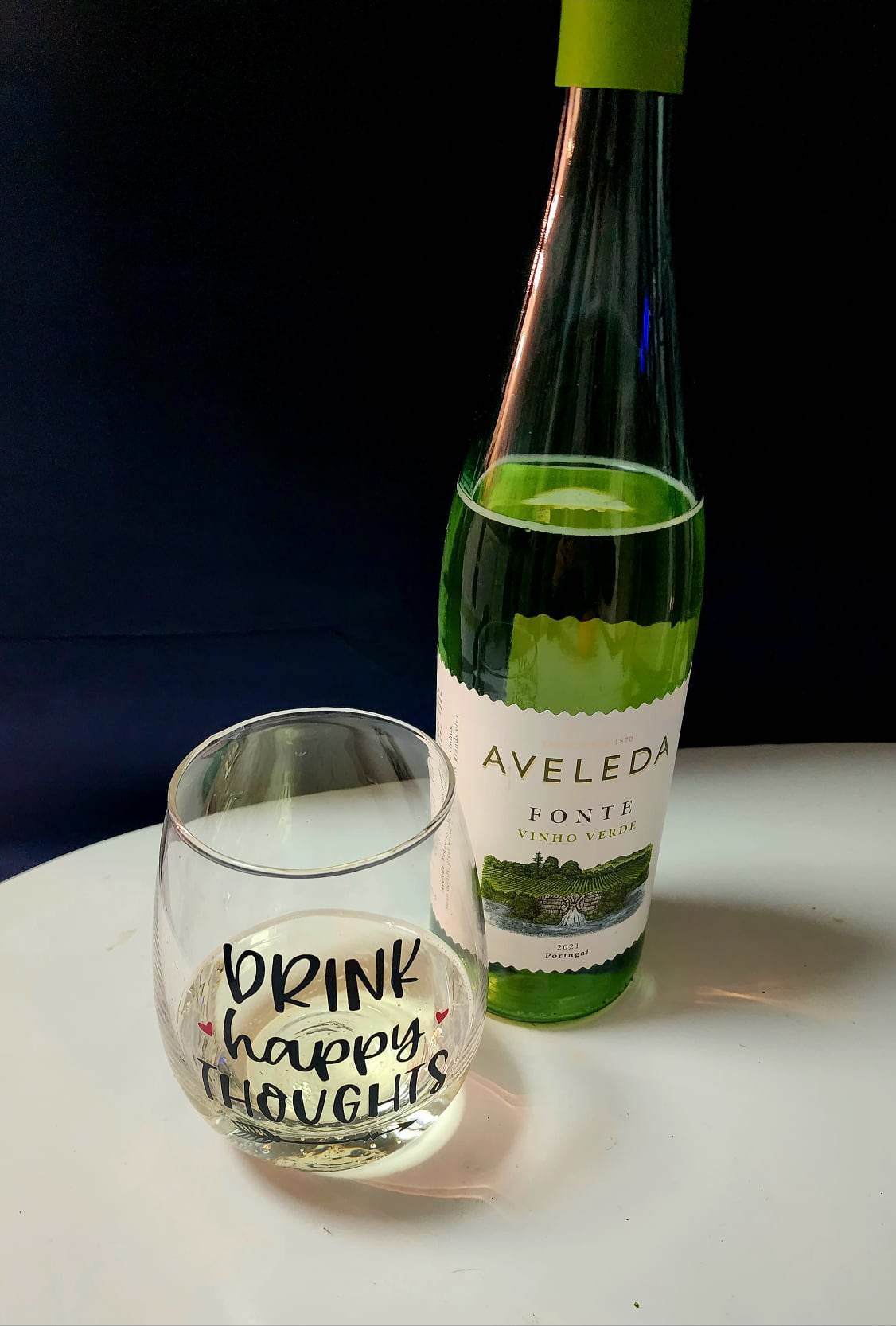
Why Portuguese Wine is Special
Portugal may be a small country, but it punches way above its weight when it comes to wine. People tend to think of France, Italy, and Spain first when it comes to European wine, but Portugal has been producing wine for thousands of years, since around 2000 BC, and has developed over 250 indigenous grape varieties found nowhere else in the world. That diversity is exactly what makes it so interesting to explore.
What also sets Portuguese wine apart is the value. You are not going to find many places in the world where a €2 grocery store bottle is genuinely delicious. The quality-to-price ratio here is extraordinary, and it holds up at every price point. Whether you are grabbing a house carafe at a local restaurant or splurging on a bottle from the Douro Valley, the wines consistently deliver.
Portuguese Wine Guide: Wine Regions
Portugal has 13 official wine regions spread across the mainland and the islands of Madeira and the Azores. Each one has its own distinct character shaped by climate, soil, and centuries of tradition. You do not need to memorize all of them, but knowing the main ones will make navigating a wine list or a grocery store shelf a lot easier.
Douro Valley
This is the oldest demarcated wine region in the world, established in 1756, and it is the birthplace of Port wine. The steep terraced vineyards along the Douro River are a UNESCO World Heritage site and genuinely one of the most beautiful landscapes in Portugal. Beyond Port, the region also produces exceptional full-bodied reds and whites that are well worth seeking out.
Vinho Verde
Located in the northwest, this is the largest wine region in Portugal and produces the country’s most beloved summer wine. Light, slightly fizzy, and refreshing with a hint of citrus. Perfect with seafood on a warm afternoon and very affordable.
Alentejo
This is the region responsible for converting me to red wine. Alentejo covers a huge swath of southern Portugal and produces bold, rich, full-bodied reds with deep fruit flavors. The rolling plains and abundant sunshine create wines that are intense and satisfying. If you are new to Portuguese reds, start here.
Dão
Located in the mountainous center of Portugal, Dão produces some of the most elegant and refined wines in the country. The high altitude granite soils create wines with good acidity and structure that age beautifully.
Algarve
Yes, we have wine right here in our own backyard. The Algarve wine region is small but growing and produces some solid reds and whites. There is even a sub-region called Tavira, which feels very on brand for us.
The Other Regions of Mainland Portugal
Portugal also has several other wine-producing regions worth knowing about. Bairrada, in the center of the country, is known for its sparkling wines and Baga grape variety, which produces bold tannic reds. Setúbal sits just south of Lisbon and produces some excellent Moscatel dessert wines. Tejo and Lisboa are two large regions producing a wide variety of approachable everyday wines at great prices. Trás-os-Montes in the far northeast is a smaller region producing rustic, characterful reds that are starting to get more attention.
Madeira and the Azores
Both island regions produce unique wines shaped by their volcanic soils and Atlantic climate. Madeira wine, in particular, is famous worldwide and worth trying if you have not already.
Portugal has 13 official wine regions, each with its own distinct character shaped by the local climate, soil, and traditions. From the light sparkling whites of the north to the bold earthy reds of Alentejo to the famous fortified wines of the Douro, there is something for every palate. And the best part is you can work your way through all of them without ever leaving the country or spending a lot of money.
Portuguese Wine Guide: Types of Portuguese Wine
Port Wine
Port is the most famous of all Portuguese wines and for good reason. It is a fortified wine, meaning a neutral grape spirit is added during fermentation, which stops the process early and leaves residual sugar in the wine. The result is a rich, sweet wine with a higher alcohol content than regular table wine.
Port comes in several main styles. Ruby is fruity and vibrant, and the most approachable entry point. Tawny is aged in wooden barrels and develops a nutty, caramel complexity. White Port is lighter and works beautifully as an aperitif. Vintage Port is the premium category, aged for decades, and one of the great wines of the world.
Port is delicious on its own, but someone also had the genius idea of mixing it with tonic water, and the Porto Tonico was born. More on that in a minute.
Vinho Verde
Vinho Verde translates literally to green wine, which refers not to the color but to the youth of the wine. It is meant to be drunk young and fresh. Light, slightly sparkling, low in alcohol, and with a bright citrusy character, it is one of the most refreshing wines you will ever drink on a hot afternoon. It is the second most exported Portuguese wine behind Port, and once you try it, you will understand why. It pairs perfectly with seafood, which is very convenient given where we live. Vinho Verde is definitely my go-to.
Alentejo Reds
These are the wines that changed everything for me. Bold, rich, full-bodied reds with deep dark fruit flavors and a warmth that feels like a hug in a glass. If you have always been a sweet wine person and are curious about crossing over to dry reds, an Alentejo red is the place to start. They are approachable, delicious, and usually very affordable.
Douro Valley Wines
Beyond Port, the Douro Valley produces some of Portugal’s finest table wines. The reds are structured and complex with dark fruit, spice, and earthy notes. The whites are aromatic and mineral. If you are ready to go a little deeper into Portuguese wine, these are worth exploring.
Rosé
Portuguese rosé deserves a mention because it is excellent and wildly underrated. Light, fruity, and incredibly easy to drink. Mateus is probably the most internationally recognized, but there are far better options available locally for very little money.
Porto Tonico: The Cocktail You Need to Try
If you visit Portugal and do not try a Porto Tonico, you have made a serious mistake. This cocktail has become one of the most popular drinks in the country, and once you have one, you will completely understand why.
It is simple. White Port mixed with tonic water, served over ice with a slice of lemon or orange and a sprig of fresh mint. That is it. The result is light, refreshing, slightly sweet, and absolutely perfect for a warm afternoon on a cafe terrace. It is the kind of drink that makes you feel like you are exactly where you are supposed to be.
You will find it on the menu at virtually every bar and restaurant in Portugal. Order one immediately.
Sangria in Portugal
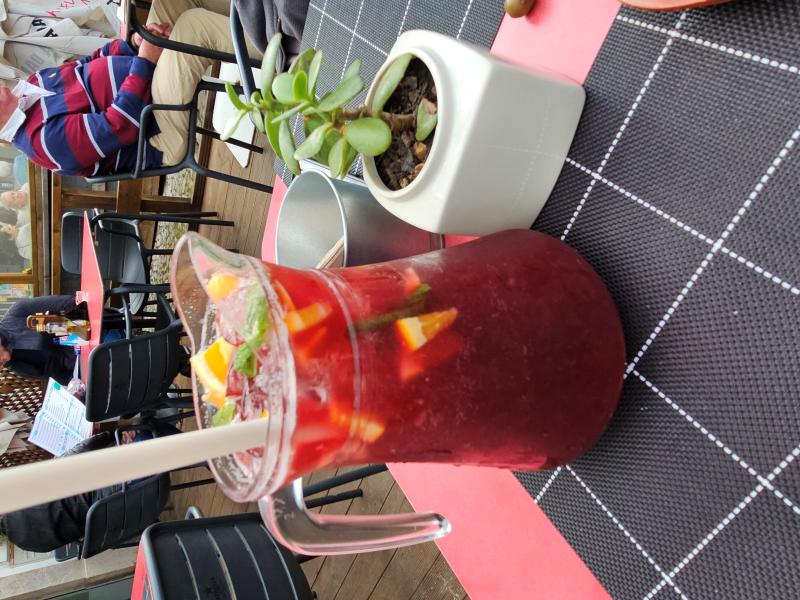
Sangria in Portugal is not the overly sweet, fruit punch version you might be used to from back home. It is made properly here, and it shows. Every restaurant, snack bar, and cafe serves it by the glass or pitcher, and they are filled with fresh lemon and orange slices, fruits, mint, and cinnamon sticks. It is aromatic and refreshing, and feels very different from anything you would get in the States.
Red sangria is the classic, but white sangria and sparkling are equally popular and worth trying. On a hot Algarve afternoon with a pitcher of sangria and a plate of food in front of you, life is genuinely very good.
It is also incredibly affordable. A full pitcher at most restaurants will run you somewhere between €12 and €20, depending on where you are. That is the kind of math that makes you want to stay forever.
How Affordable is Wine in Portugal
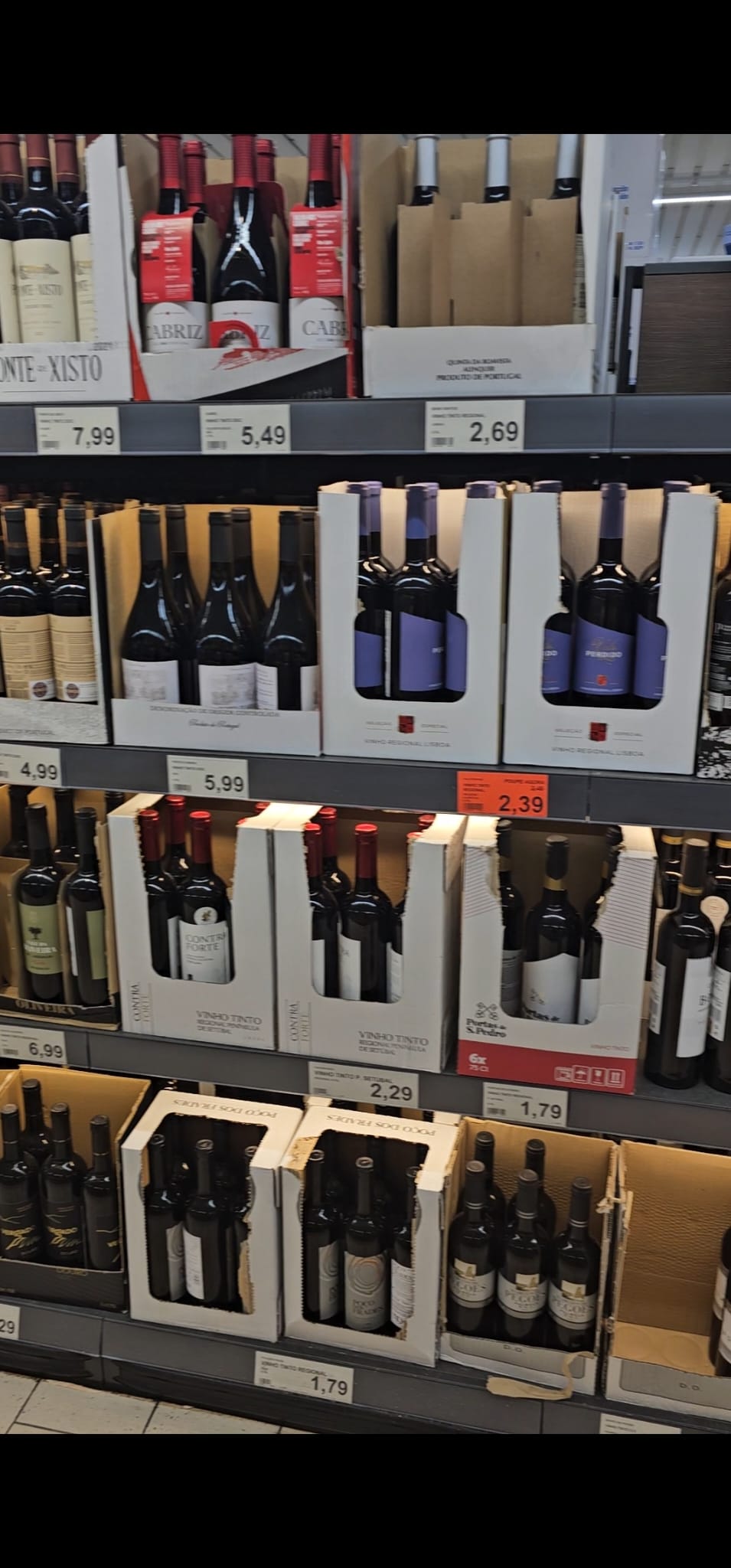
This is one of the things that still makes me do a double-take on a regular basis. Wine in Portugal is extraordinarily affordable at every level.
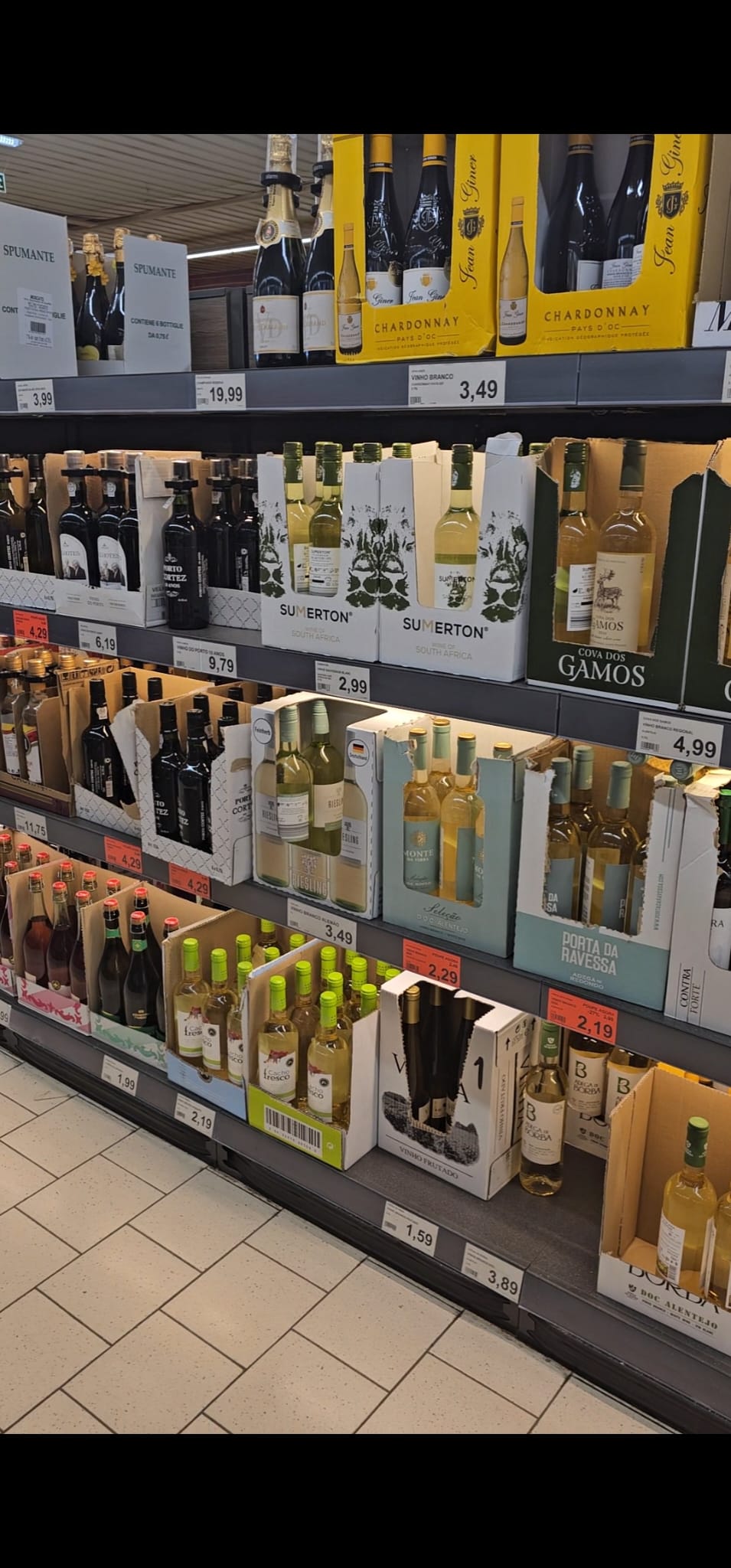
At the grocery store, you can pick up a perfectly good bottle for €2 to €4. Not tolerable, actually good. The kind of wine you would be happy to serve to guests. In the US, that price range produces something that tastes like regret. Here, it produces something you will genuinely enjoy.
Step up to the €5 to €10 range, and you are getting into really excellent territory. These are wines that would easily sell for €20 to €30 in an American wine shop.
At restaurants, a carafe or full bottle of house wine typically runs between €8 and €12. Even at nicer restaurants, a good bottle rarely exceeds €20 to €25. In the US, you could barely get a glass of mediocre wine for that at a mid-range restaurant.
The Alentejo and Douro regions in particular produce exceptional wines that punch well above their price point. Once you start exploring beyond the grocery store shelf, you will realize just how much incredible wine this country is quietly producing without charging you a fortune for it.
It is one of the best-kept secrets of living in Portugal, and honestly, one of my favorite things about being here.
Visiting Wine Regions and Wineries
One of the best ways to experience Portuguese wine is to go straight to the source. Portugal has a stunning wine country, and many wineries welcome visitors for tastings and tours. If you are in the Algarve, visiting a local winery is an absolute must.
Quinta da Tor, Loulé
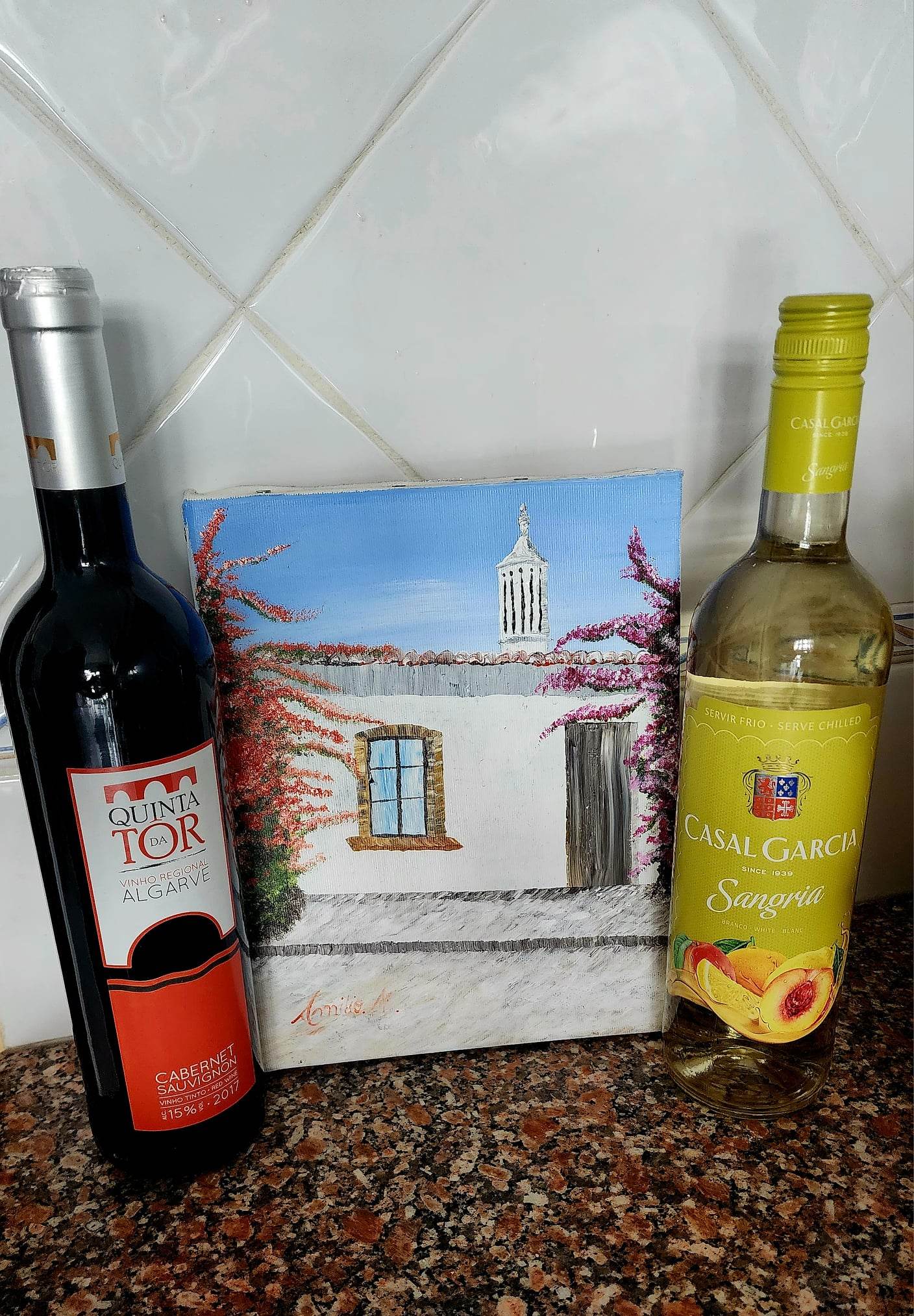
This is my personal favorite and, honestly, one of the best experiences I have had since moving to Portugal. Quinta da Tor is nestled in the mountains of Loulé, and the setting alone is worth the trip. The views are incredible, and in the summer, they have an infinity pool you can actually swim in while surrounded by vineyards and mountain scenery. It is the kind of place that does not feel real.
The wines are outstanding across the board, but the Cabernet Sauvignon is on another level entirely. It is probably the best wine I have ever tried in my life, and I do not say that lightly, given how much wine I have consumed in the name of research since moving here. If you visit one winery in the Algarve, make it this one.

Exploring Other Wine Regions
If you have the time, a road trip through the Alentejo or Douro Valley wine regions is absolutely worth it. Both regions have well-established wine routes with wineries offering tastings and tours. The scenery on the drive alone makes it worthwhile, and the wine at the end of it makes it even better.
Saúde: To Many More Bottles
Portugal has turned me into a wine person, and I am fully committed to the role. From €2 grocery store finds to the best Cabernet I have ever tasted at a mountain winery in Loulé, this country has completely changed how I think about wine, and I am here for all of it.
If you are visiting Portugal or thinking about making the move, do yourself a favor and say yes to every glass someone puts in front of you. Try the Porto Tonico, order the sangria, ask for the house red, and if you get the chance, visit a winery. You will not regret any of it.
Have a favorite Portuguese wine or a winery recommendation? Drop it in the comments. I am always looking for the next bottle to try.
Read More
For more about my life in Portugal, check out these posts here
For my favorite restaurants in Tavira, check out my Tavira restaurant guide.
Follow Me
Follow me on Instagram @vegas.to.portugal as I continue my wine journey, my daily life in Tavira, and all of my adventures. 💙
Leave a Reply