Moving to Portugal has been one of the best decisions I ever made. I was nervous at first, like most Americans who move abroad, but after living here a while, I realized there are so many things I genuinely love about life in Portugal. It’s not perfect, and it’s not vacation every day, but there are daily moments here that make me stop and think, “I’m really glad I live here.” Read on to learn why I love living in Portugal.
Book your own trip to Portugal here
The Beauty of Living in Portugal
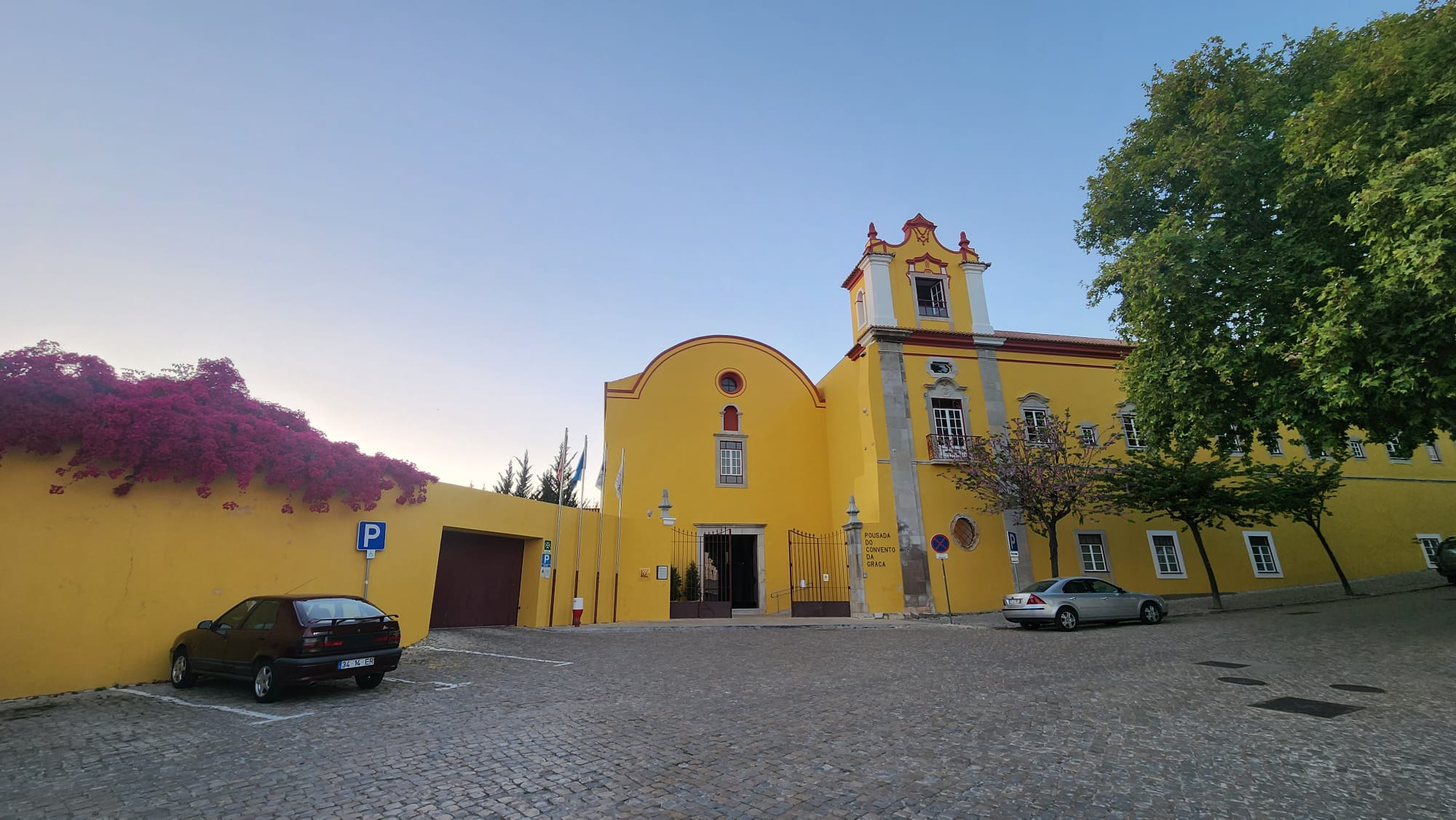
Portugal really is a stunning country, and living in Tavira means I get a front row seat to its beauty every single day. I love it! The traditional architecture, the historic buildings, and those classic Portuguese tiles, the azulejos, give the town so much character. Add in the fresh flowers spilling over balconies and lining the streets, and it honestly feels like a postcard you accidentally walked into.
The beaches are just as breathtaking. And one of the things I love most about Tavira is how much history it still holds. It did not suffer as much damage in the massive 1755 earthquake that reshaped so much of Portugal, which means many of the buildings here date back hundreds of years, some even to the 13th century. When I go on my daily walks, I still catch myself stopping and thinking, I actually get to live here. It never really gets old.
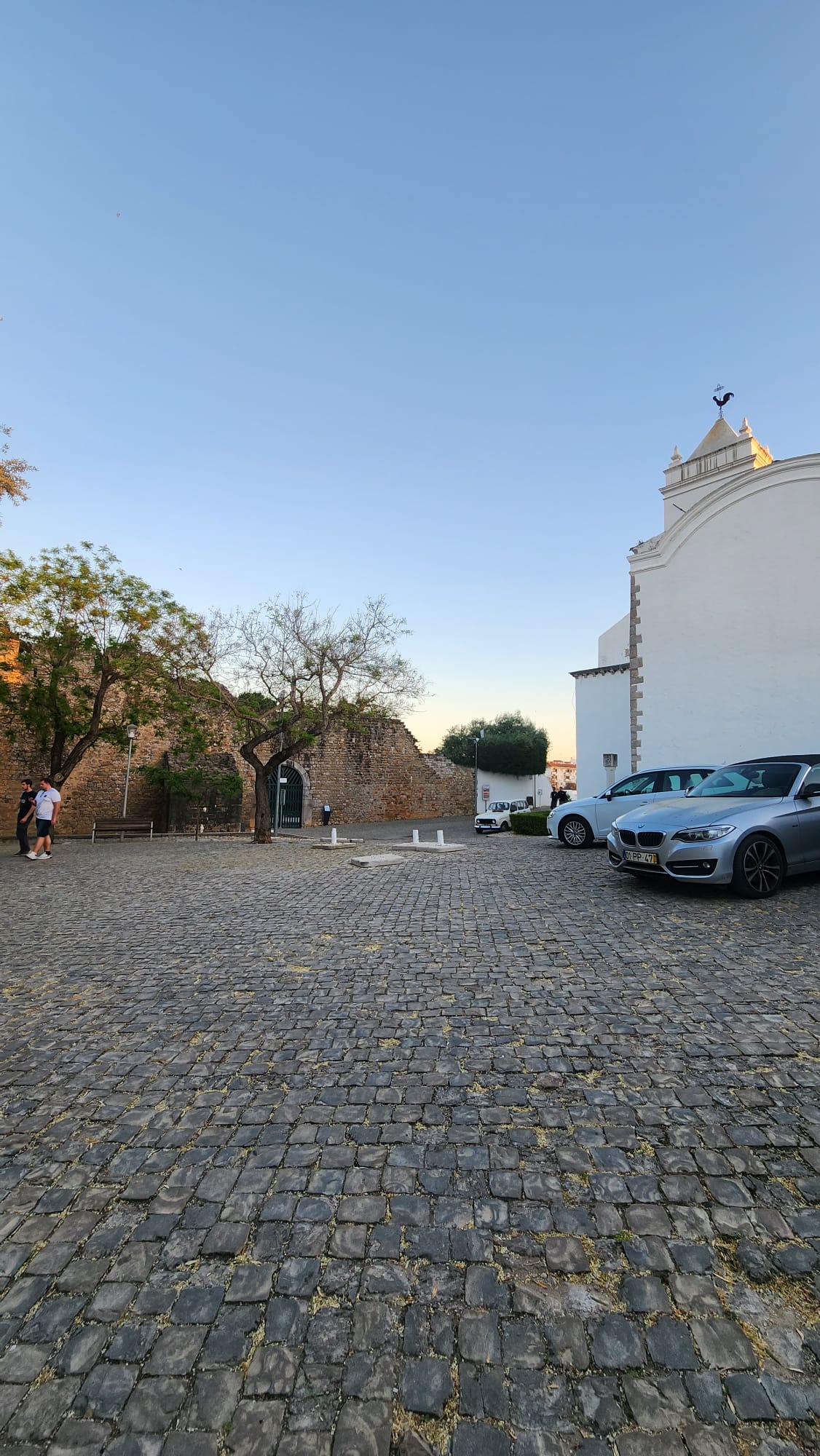
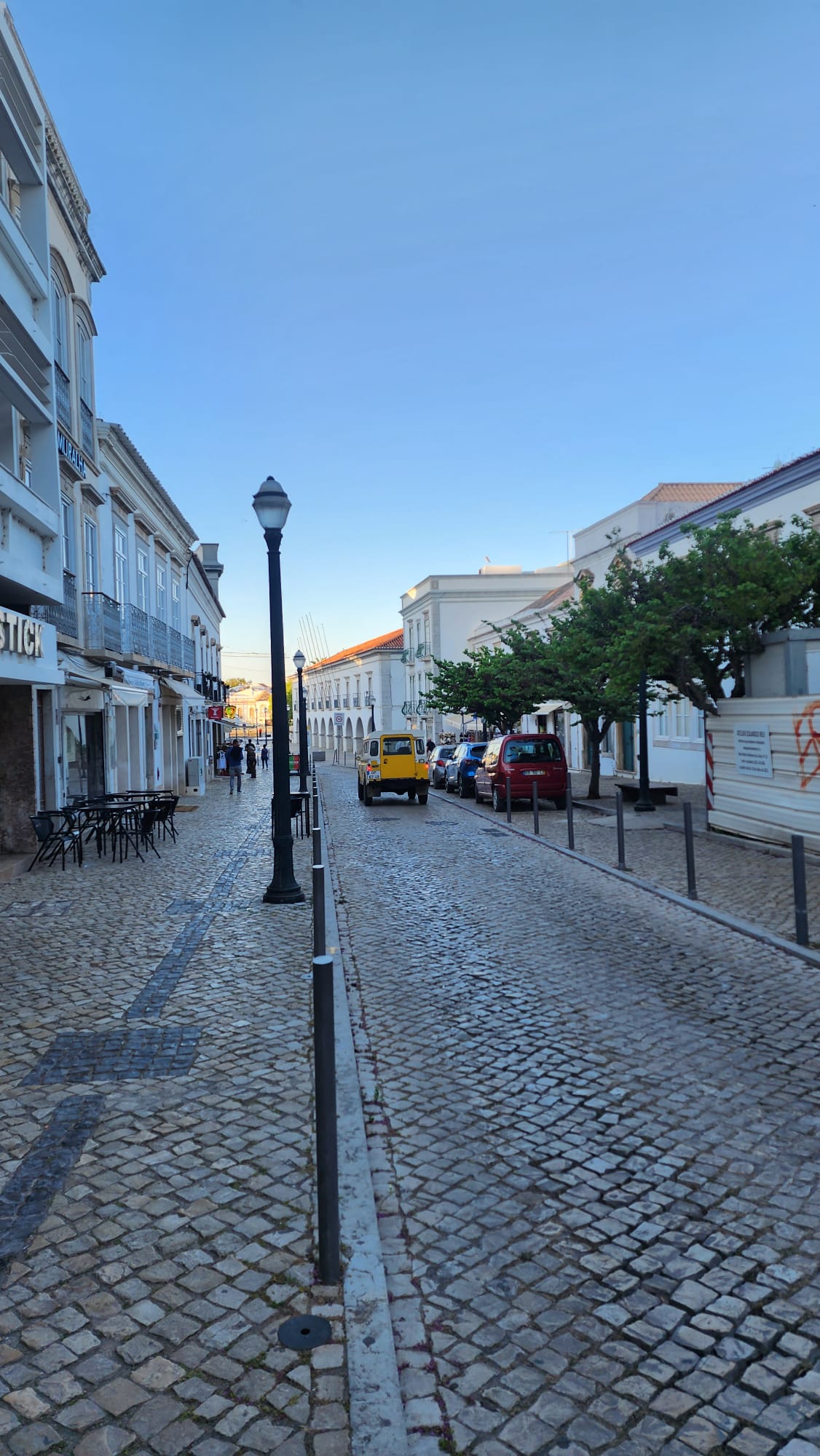
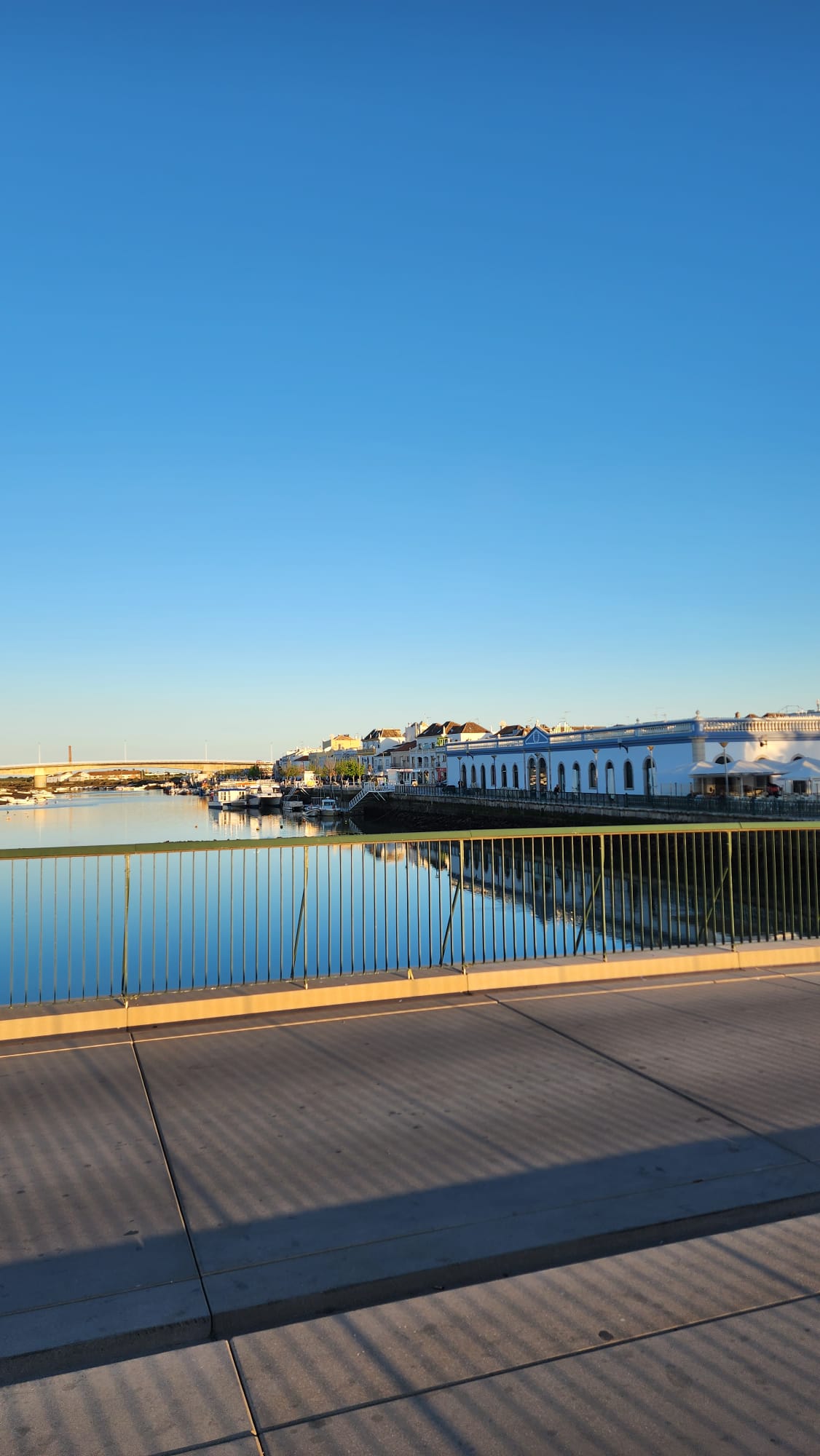
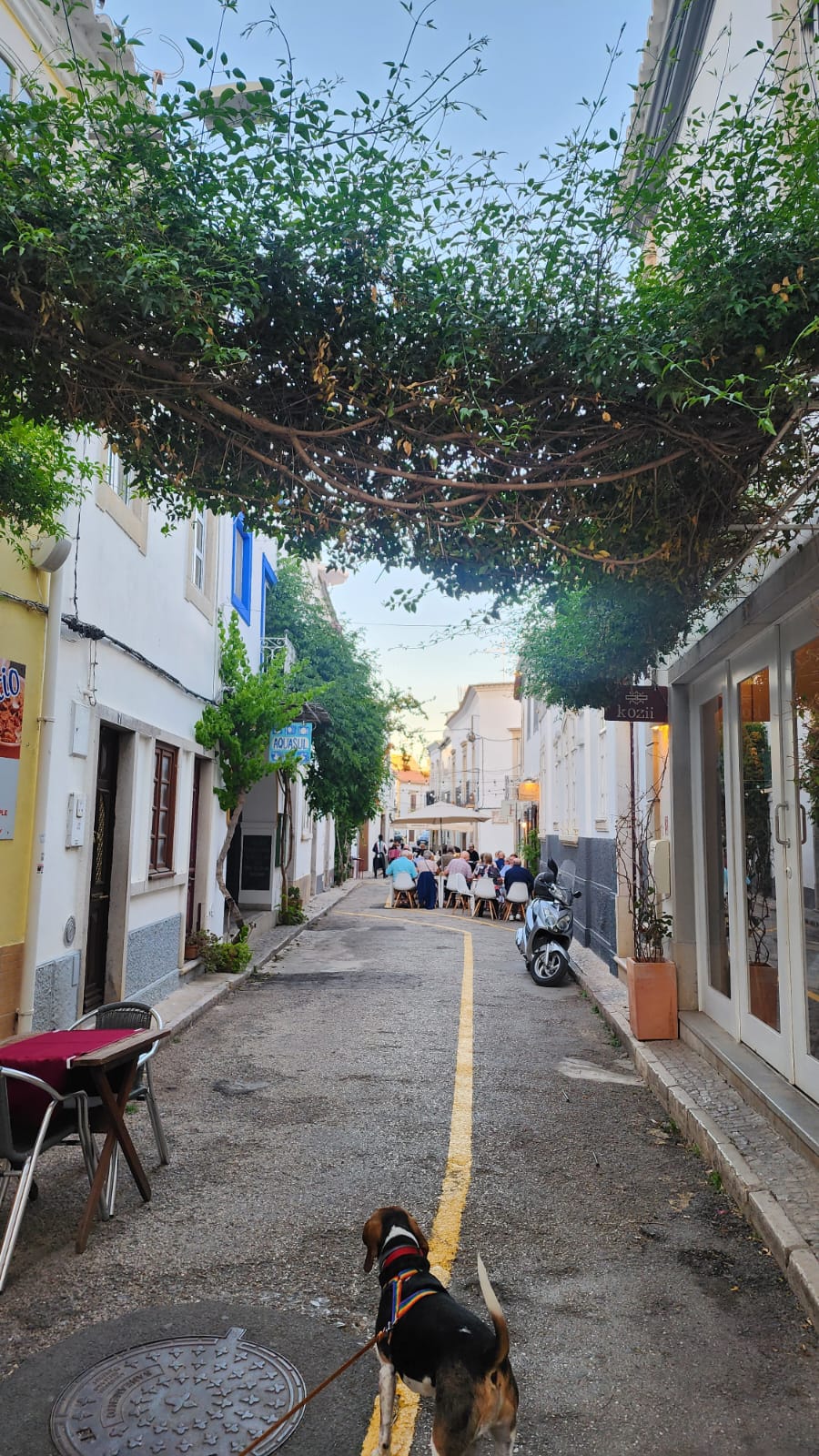
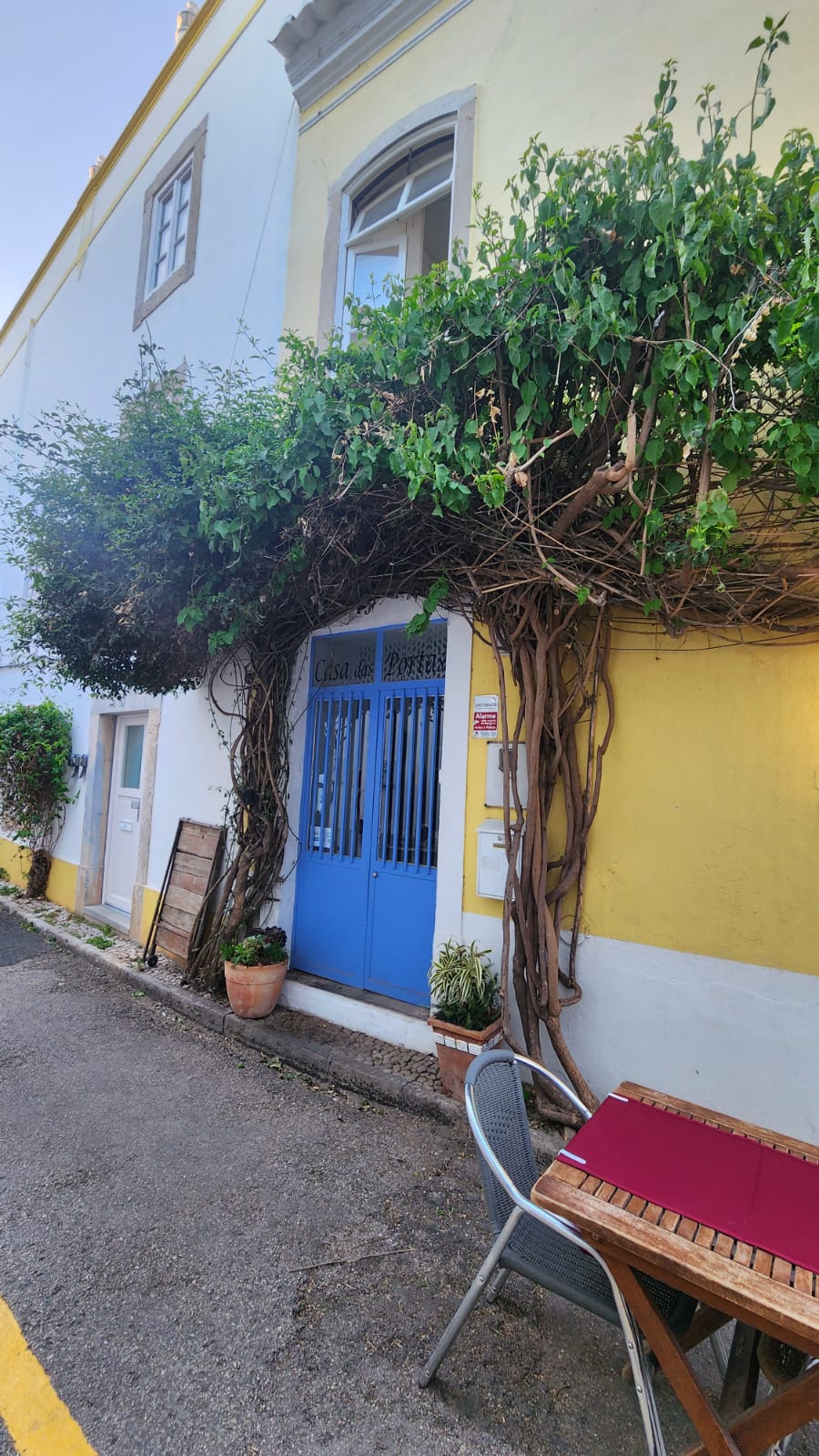
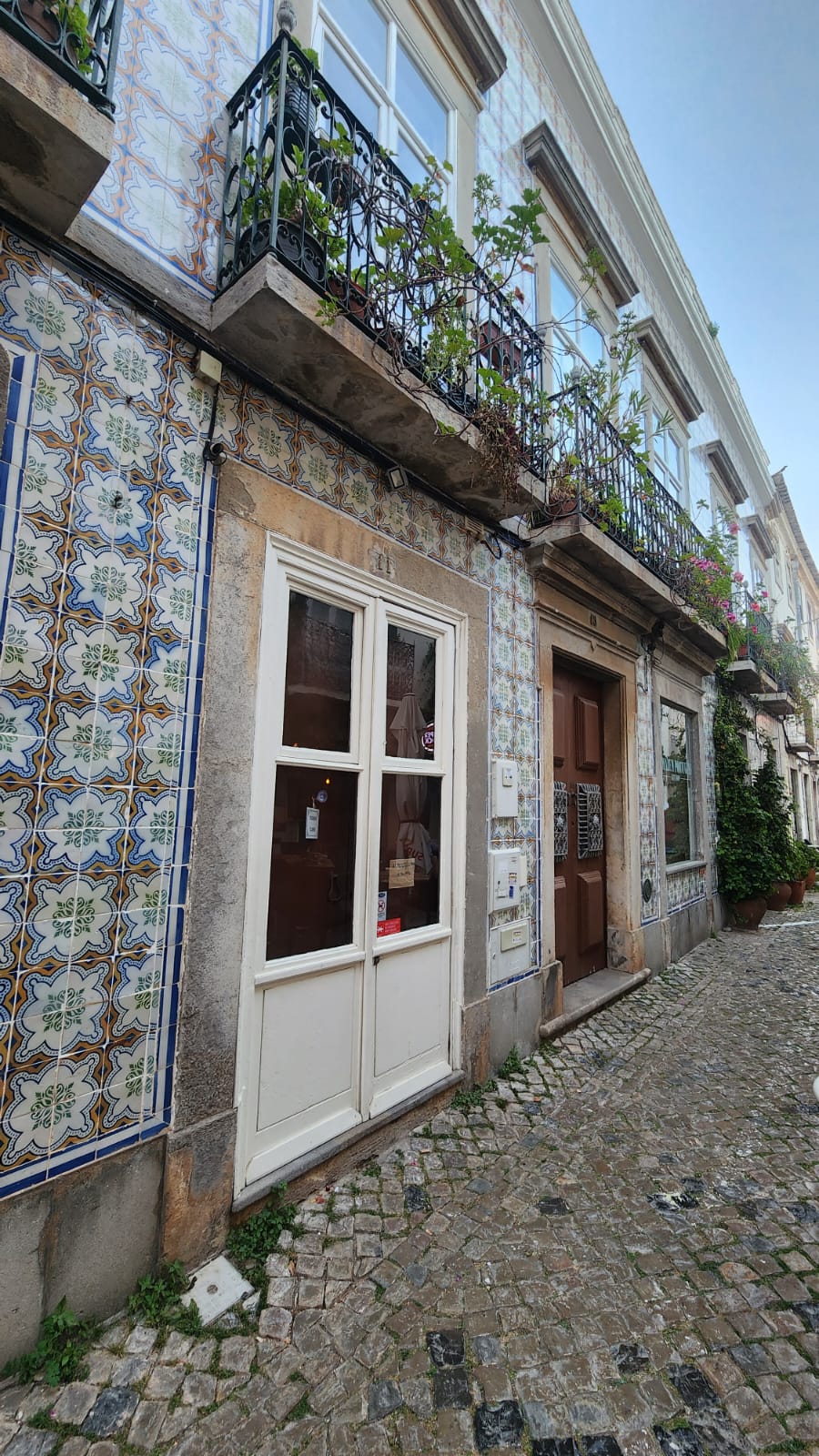
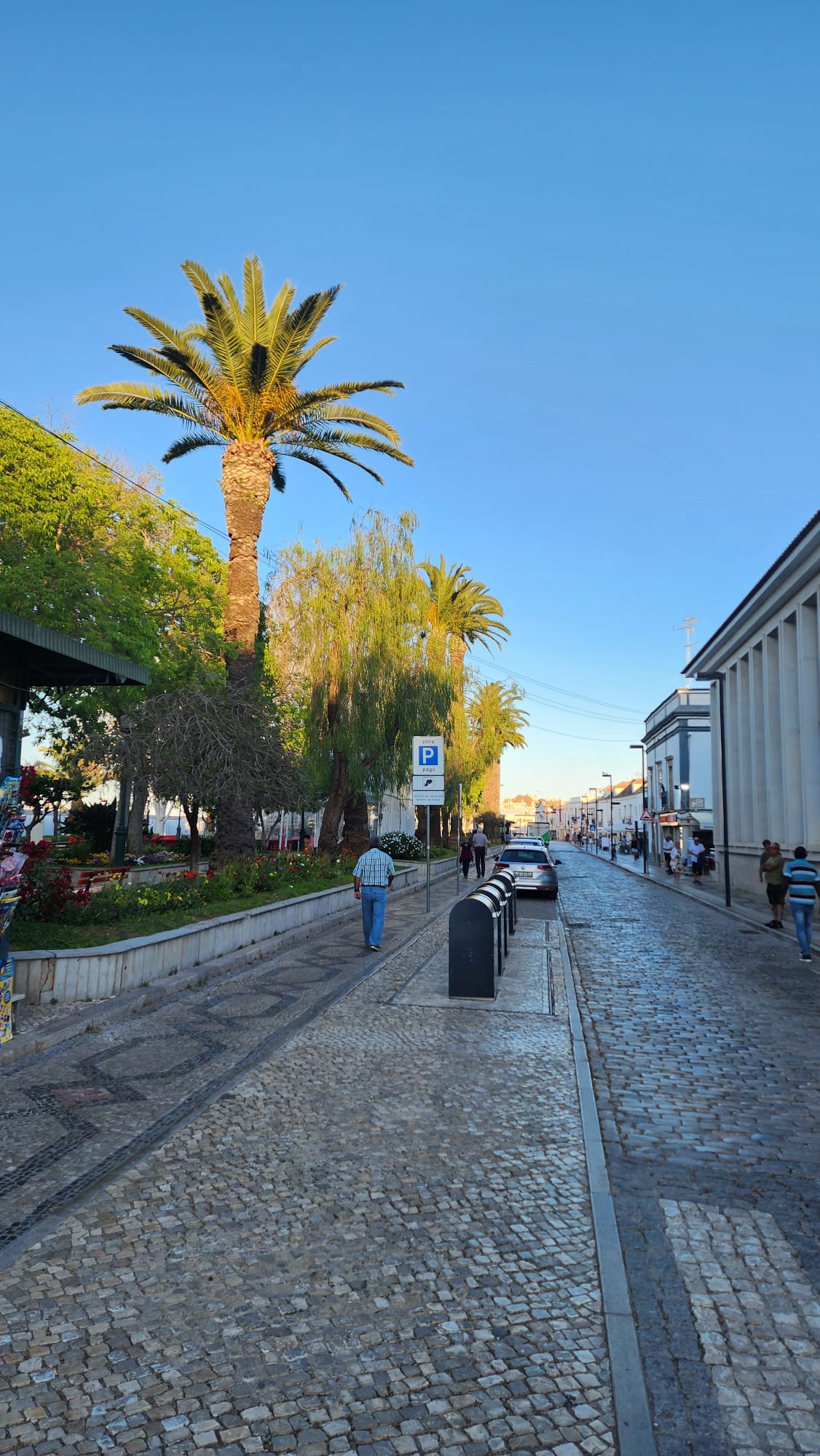
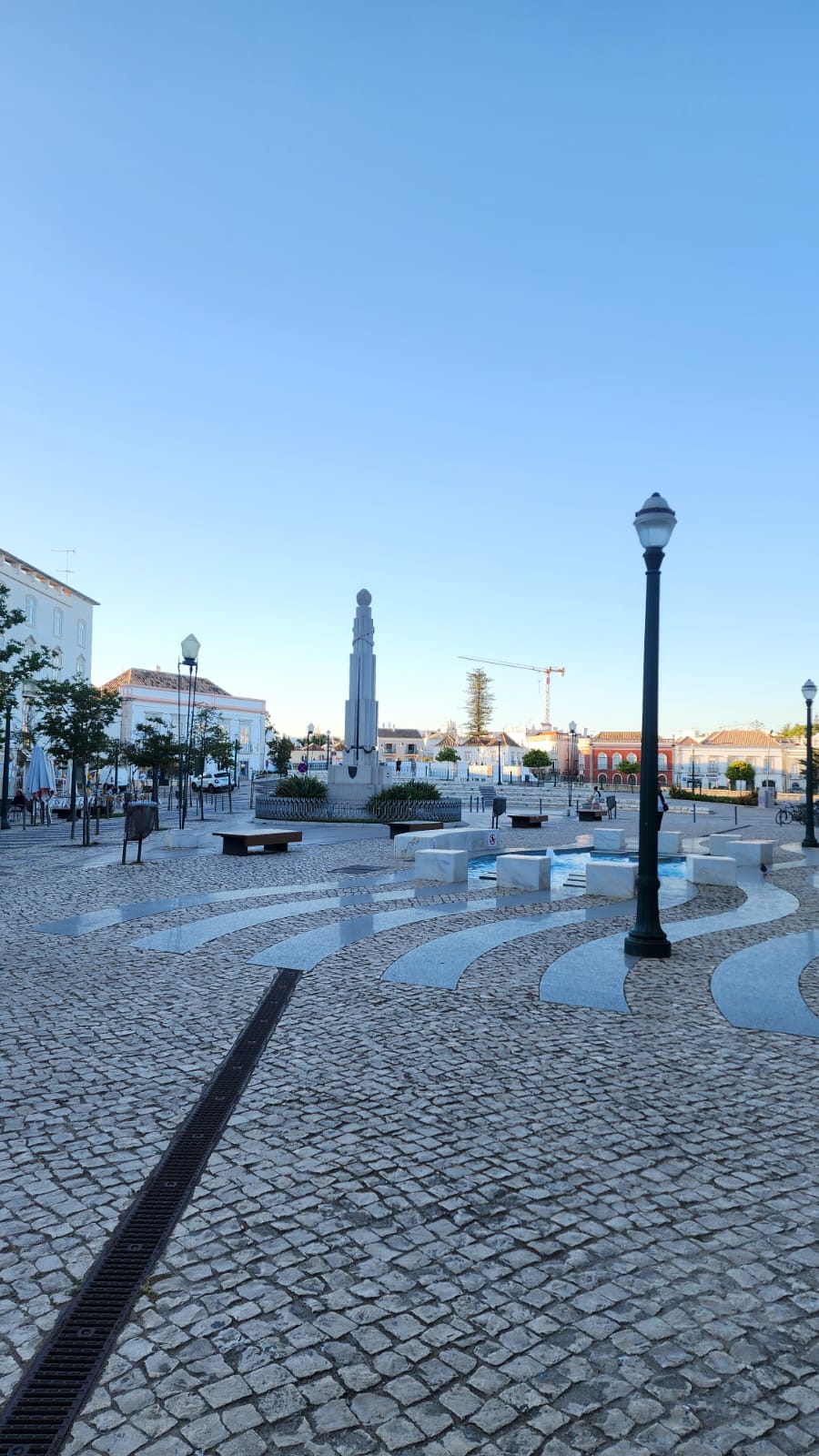
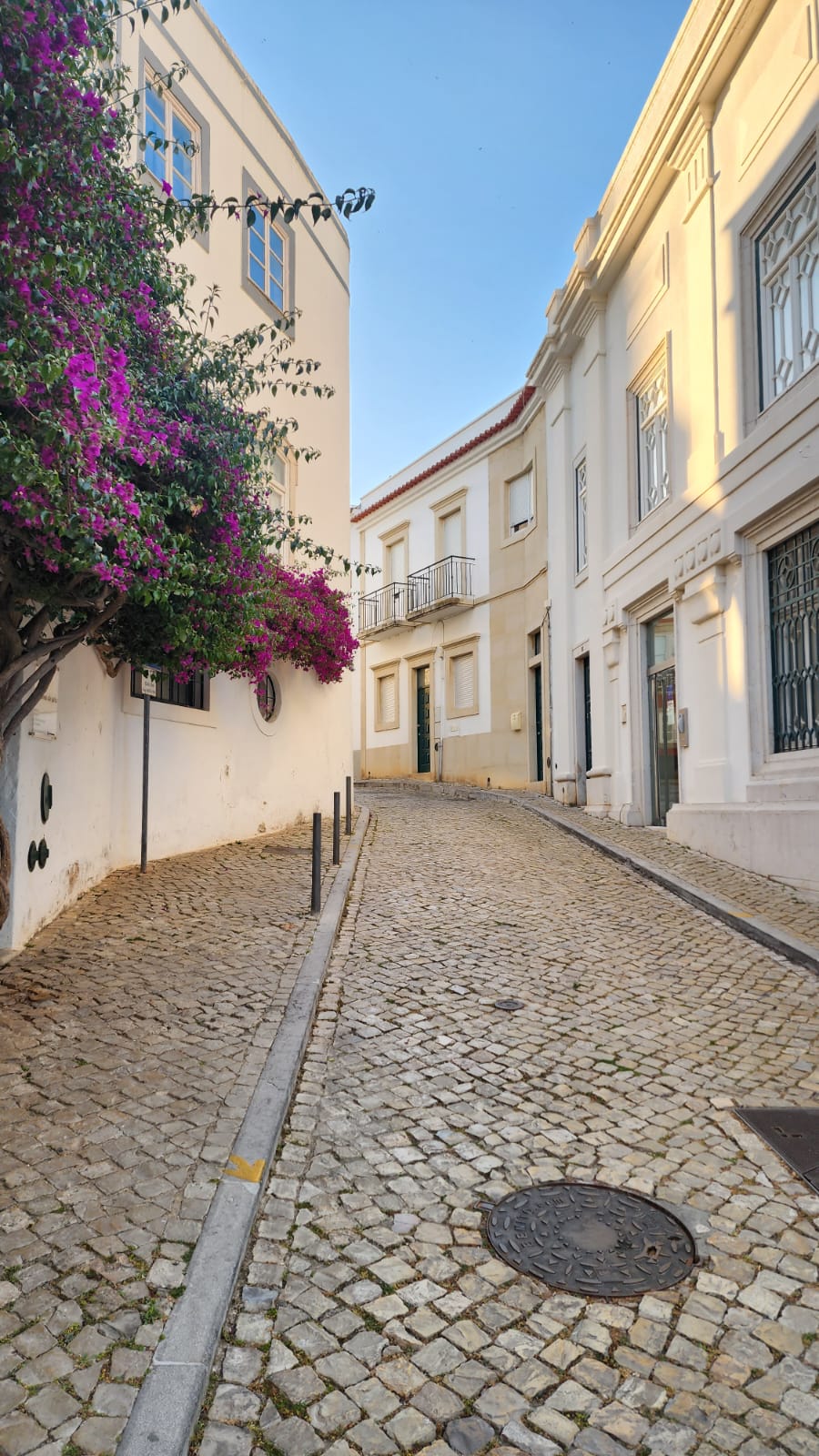
Pics of Tavira 💙
The People Make It Feel Like Home
One of the biggest reasons I love living in Portugal is the people. The Portuguese are genuinely warm, kind, and calm in a way that feels effortless. They say hello when you pass them on the street. They’re patient when I fumble through Portuguese. They help without making you feel like an inconvenience.
When we were researching our move, everyone talked about how welcoming the locals were. I remember wondering if that was just expat hype. It is not. It is real.
And then there is the expat community. Tavira might be small, but that is part of the magic. You eventually cross paths with everyone, and I have made some truly incredible friendships here. People from all over the world, all with completely different backstories, somehow landed in the same little town in the Algarve. We all came from different lives, but now we share this one. There is something really special about that.
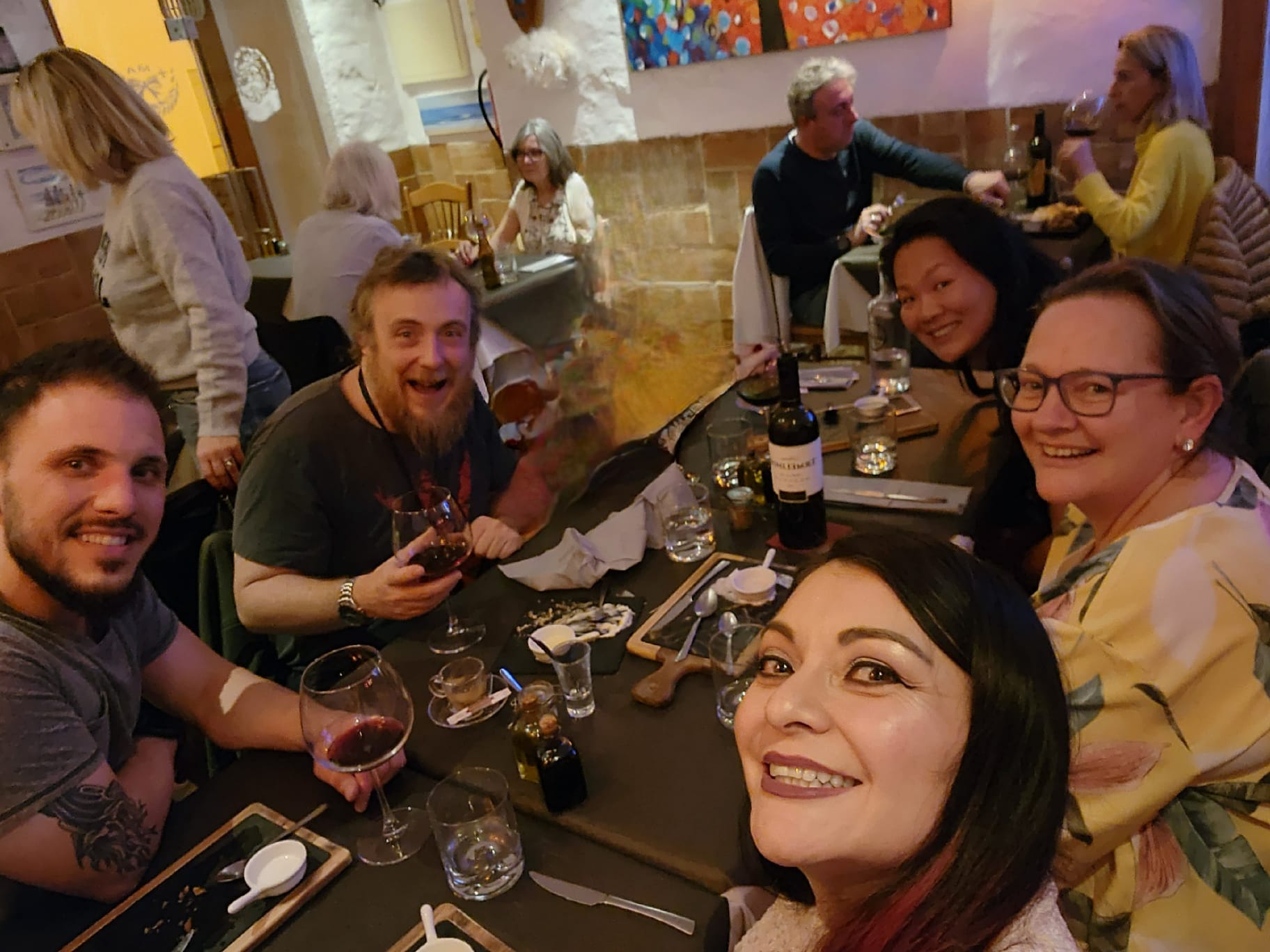
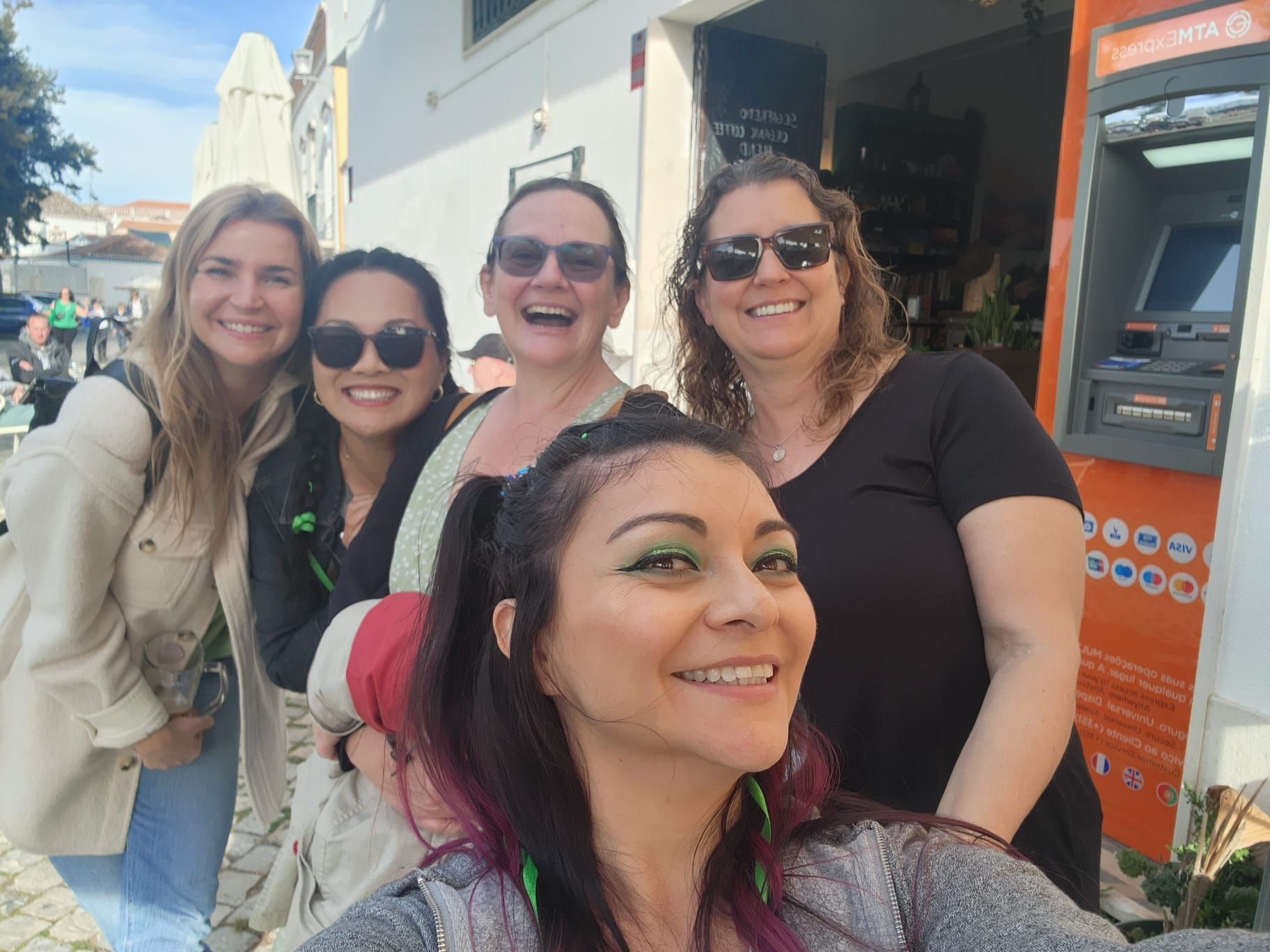
Friends!!!
I Love Living in a Walkable Town
One of my favorite parts of living here is how walkable everything is. I can walk to the gym, the grocery store, meet friends for a drink, and stroll home after without even thinking about it. No parking stress, no circling blocks, no “where did I leave the car” moments.
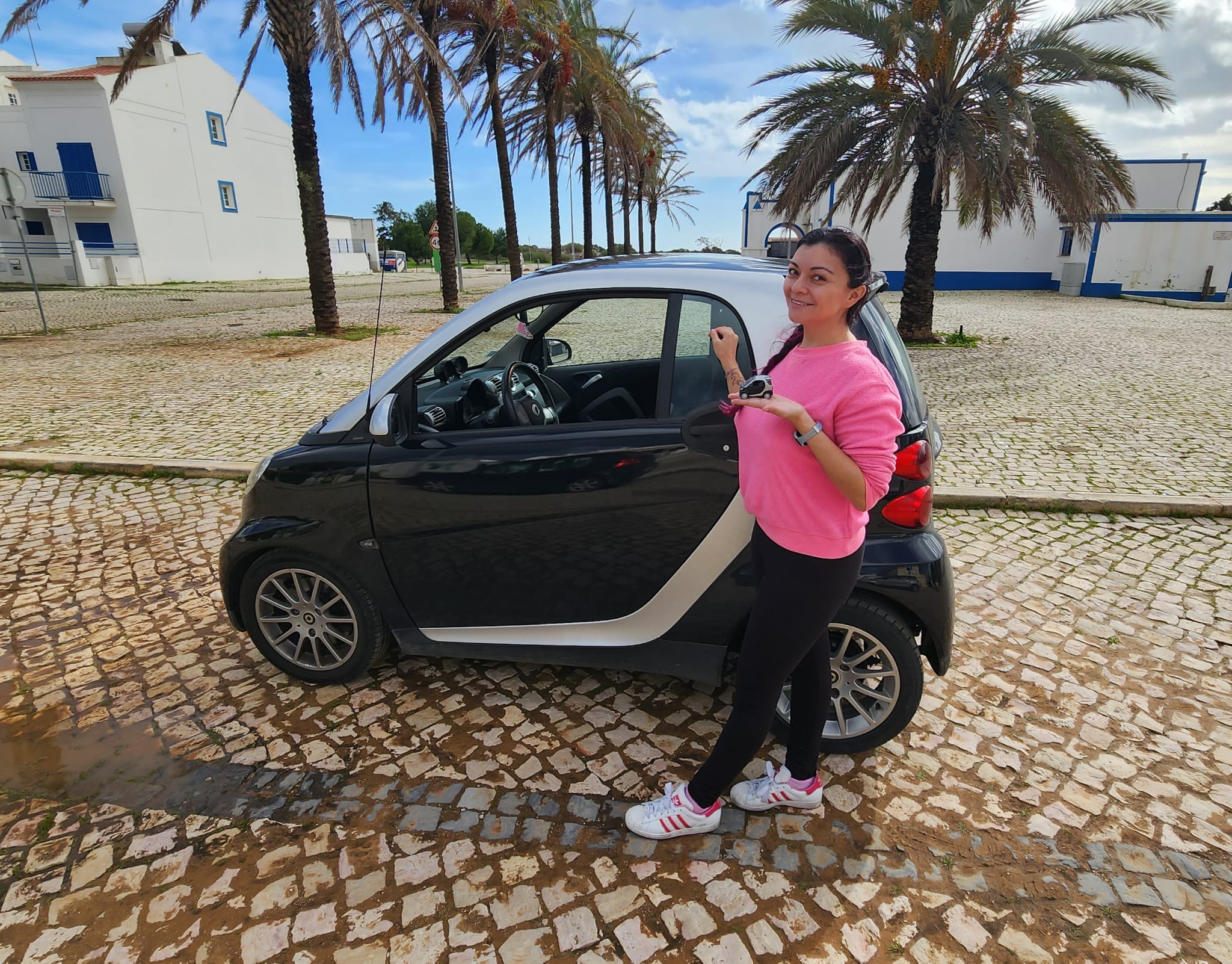
Tavira is incredibly easy to get around on foot, and it does not have the dramatic hills that other Portuguese towns are known for. That alone feels like a gift. Honestly, in the town center, it is faster to walk than to drive. I have had my car for about six months now and have never once driven it into the center. It would take longer to find parking than to just lace up my sneakers and go.
And Bodhi is living his best life because of it. Daily walks, new smells, new corners to explore. He probably thinks we moved here specifically for him. He might not be wrong.
I Love Living in Portugal Because I Feel Safe
Safety is a big one for me. Maybe the biggest.
Coming from the United States, where crime and gun violence are part of the daily news cycle, the difference feels almost surreal. I used to carry a constant layer of anxiety with me. It was just there, humming in the background. After experiencing multiple situations involving crime and gun violence, that anxiety turned into something much heavier. It has taken time to work through, and I still am, but living here has helped more than I can explain.
I love living in Portugal because it feels so peaceful. Guns are not casually accessible. Hunters have them, they are registered, and that is about it. It is simply not part of everyday life in the same way. And culturally, there is a calmness here that is hard to describe unless you have lived in both places.
Even as a woman, the difference is noticeable. I can walk home at 1 am on a dark street and not feel my shoulders creeping up toward my ears, I am not gripping my keys between my fingers, and I am not scanning every shadow. That kind of ease is something I did not realize I was missing until I felt it.
Our home feels secure, too. There is a locked entrance to the building, and our apartment door cannot even be opened from the outside without a key. No doorknob, no twisting it open. It sounds simple, but that level of security does something good for your nervous system.
Portugal is currently ranked as the 6th safest country in the world on the Global Peace Index. The United States sits at 129. Those numbers reflect what I feel day to day. Almost every expat I know mentions safety as one of the main reasons they chose to move here.
For me, it has been more than a perk. It has been healing.
The Cost of Living Actually Makes Sense
One of the biggest eye openers for me has been affordability. Every day life just costs less here. Going out to eat, grabbing drinks, buying groceries, and stocking up on household basics, it all feels reasonable instead of mildly offensive. (Read about our cost of living here)
Even something as boring as toilet paper made me pause. There are maybe two or three options. An eight-pack costs a few euros. That is it. No aisle of 47 nearly identical brands competing for your soul. It is simple, and it is affordable. I genuinely do not understand why it costs so much in the United States.
Utilities and services are another huge difference. We have a bundle with fiber internet, cable with premium channels, a landline we never bothered to plug in, and two cell phones with 40GB of data each. Our total monthly bill is €66. The internet is super fast, the TV has tons of English and Portuguese channels, and our cell phones work all over Europe.
In Las Vegas, our internet alone was almost $120 a month, and it constantly cut out. That comparison still makes me laugh in disbelief.
Restaurants are where it really hits you. You can go out for a wonderful meal for two, and the bill feels normal. Coffee usually costs between €1 and €3. A glass of wine can be as low as €2 or €3. Many places offer a prato do dia, which typically includes couvert like olives or bread, a main dish, dessert, a drink, and coffee for around €9 to €13. It is not a “special.” It is just lunch.
The most we have ever spent at a restaurant in Portugal was around €80, and that was at a nicer place with multiple courses and drinks. In Vegas, that same experience would easily push past $200.
Living here has made me question a lot about pricing in the U.S. The quality here is not lower, especially when it comes to food. Yet the difference in cost is huge. When egg prices skyrocketed in America, they barely moved here. It really makes you think about what you are actually paying for and who is benefiting from it.
For me, affordability is not just about saving money. It is about feeling like everyday life is not trying to financially tackle you at every turn.
The Food Is on Another Level
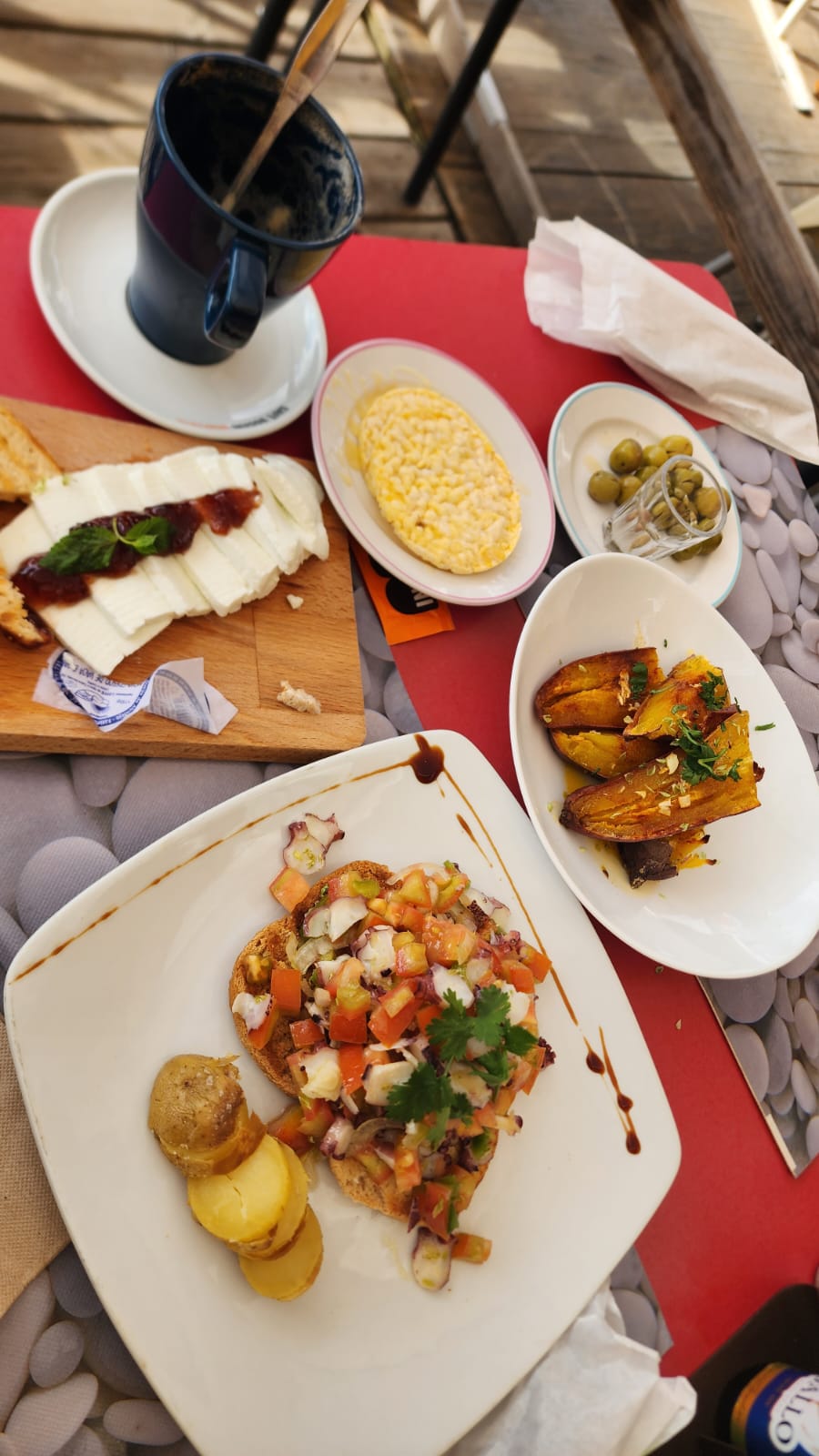
Aside from being more affordable, the quality of the food here is just better. A lot of additives and preservatives that are common in the United States are not allowed in Europe. Because of that, things feel fresher and simpler. I know more about what I am putting into my body, and that matters to me. I care about my health, so having access to food that feels less processed and more real is a big deal.
And the produce. The produce deserves its own standing ovation.
I hated tomatoes my entire life. Truly. People would say, “You just have not had a good one,” and I would politely disagree while picking them off everything. Then I moved here. Now I will literally slice up a tomato, sprinkle a little salt on it, and eat it like it is a snack. I crave them. Who am I? They actually taste like something. Sweet, juicy, flavorful. Not watery red impostors.
Another huge reason I love living in Portugal is how naturally gluten-free a lot of traditional Portuguese food already is. Grilled fish, meats, rice dishes, and fresh vegetables. I can go out to almost any restaurant and easily find options that work for me without turning it into a whole production. It makes eating out feel relaxed instead of stressful. (Check out my Tavira Restaurant Guide here)
When food tastes better and feels better, everyday life just feels better. It is such a simple thing, but it adds up fast.
Easy Public Transportation and Travel
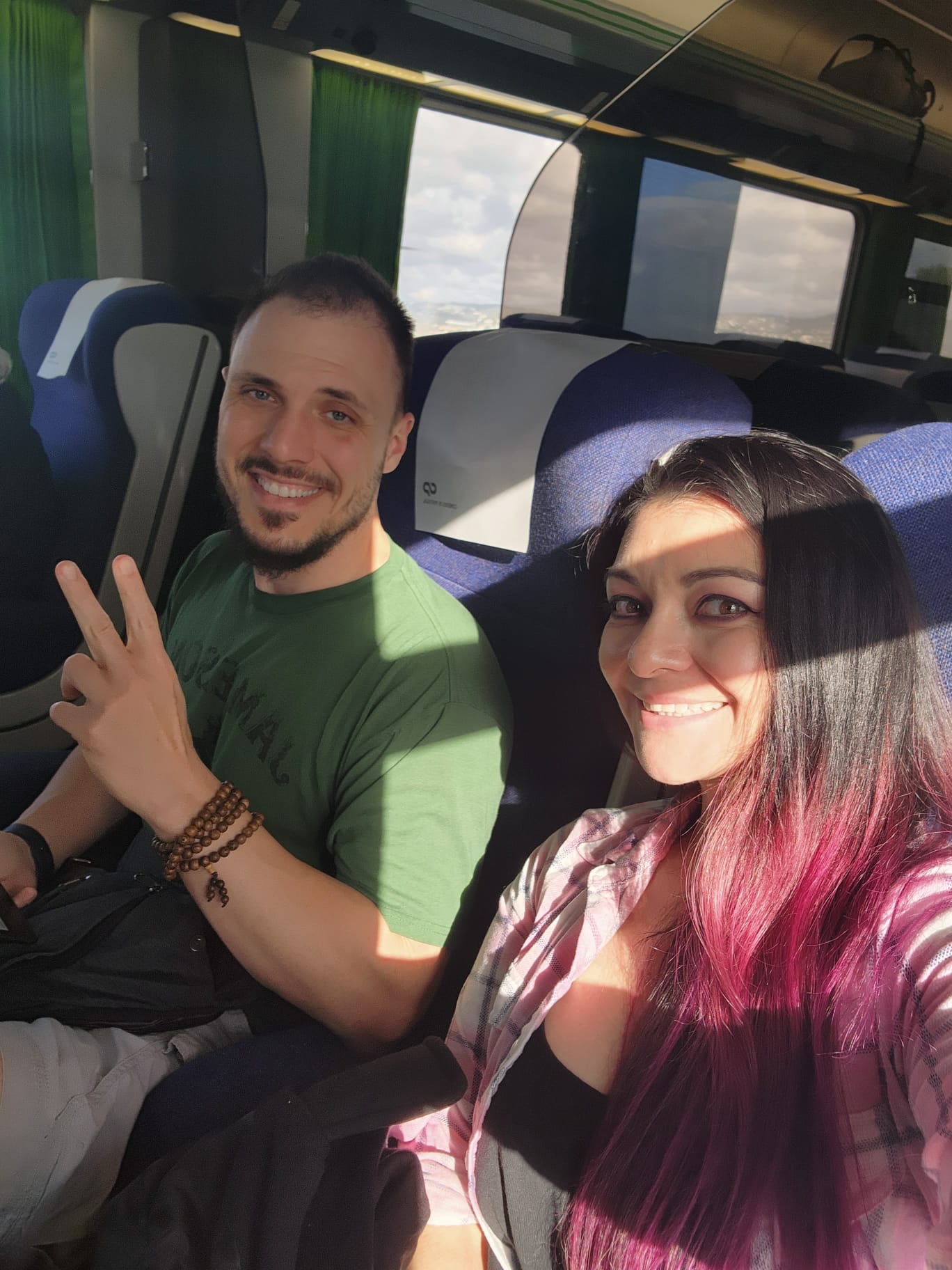
Getting around Portugal is surprisingly easy. The train system is affordable, straightforward, and actually pleasant to use. I live less than five minutes from the train station, so hopping on a train feels about as complicated as deciding what snack to bring.
I have not personally used the buses much, but they are widely available and seem simple to navigate. In bigger cities like Lisbon and Porto, there is also the metro, which makes getting around urban areas even easier. And of course, Uber and Bolt are both options when you need them.
When it comes to traveling beyond Portugal, this is where things get really fun. Flights around Europe can be shockingly cheap. We flew to Paris round-trip for under €100. I flew to Porto for €16, and I have a flight to Barcelona booked for €25. I used to pay more than that for airport parking.
Faro Airport is only about 30 minutes from Tavira, which makes international travel incredibly convenient. If I need to go to Lisbon instead, I can take a first-class train for around €30 and be there in about three hours.
Living here makes exploring Portugal and the rest of Europe feel accessible instead of overwhelming or expensive. It turns travel from a big production into something that feels almost casual.
A Real Commitment to the Environment
One thing I genuinely love about living in Portugal is how seriously environmental protection is taken. It is not just a talking point. It shows up in everyday life.
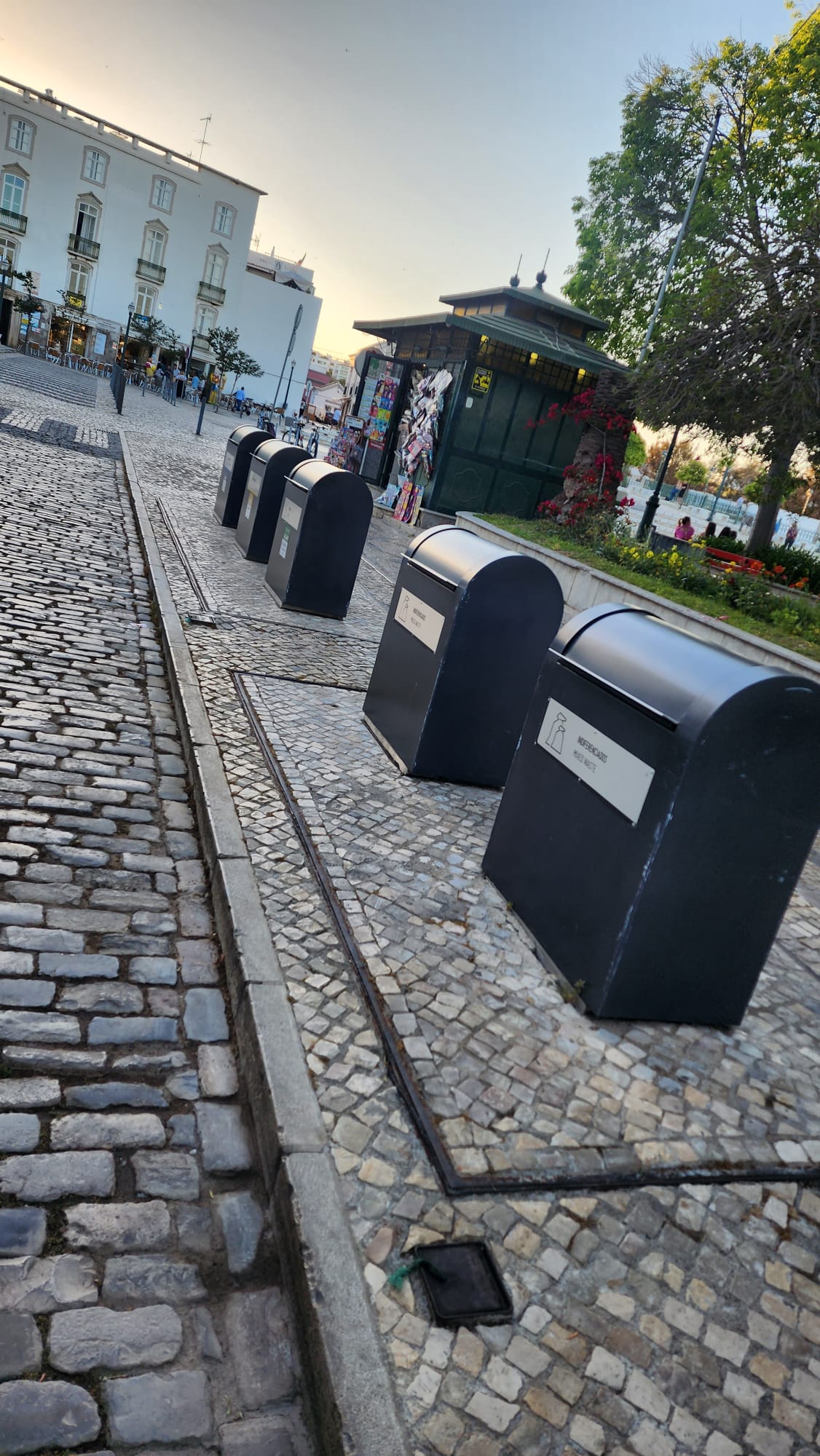
Recycling is simple and organized. There are color-coded bins all over town that are emptied regularly, and in our apartment, we separate everything into three bins plus regular trash. Glass, paper, plastic, and metal all have their own place. A lot of packaging even tells you exactly which bin it belongs in, which makes it almost impossible to pretend you do not know what to do with it.
There are electric car charging stations throughout the area. Toilets have dual flush buttons to conserve water. Bidets are legally required in homes. Heated dryers are uncommon because they use so much electricity, and most dryers here are condensation dryers instead. Small details, but they add up.
Portugal has also moved away from coal for electricity production, which is a huge shift. And then there is cork. The country has protected its cork industry for decades because it is both environmentally sustainable and economically important. Cork is renewable, waterproof, durable, and incredibly versatile. Beyond wine stoppers, it is used for bags, shoes, jewelry, and all kinds of household items. You see cork products everywhere, and it feels good knowing it is such an eco-friendly material.
It is refreshing to live somewhere where conservation feels integrated into daily life instead of being optional.
Healthcare That Feels Accessible
Healthcare was one of the big question marks before we moved, but it has honestly been a positive experience. For our visa, we are required to carry private health insurance. Even with that, we are still allowed to use the public healthcare system as well, which gives us options.
We have only needed medical care a few times, and it has been straightforward. My husband has a genetic blood condition called Hemochromatosis, which means he needs to donate blood every few months. It took a little time to figure out where to go and how the system worked, but once we sorted it out, it became simple and routine.
I needed to see a doctor at a private clinic, and my copay was €16. I also had blood work done that cost about €80 because of a specific test I needed. If I had gone through the public hospital instead, it would have been much cheaper, possibly even free.
Our private insurance costs around €75 per month and covers both of us, plus insurance for our dog and cat. There are no deductibles, which still feels wild coming from the U.S. There are waiting periods for certain things, but overall, it has been far more affordable and less complicated than what we were used to.
Knowing we have access to both private and public care adds a level of comfort. It feels accessible instead of intimidating, and that makes a big difference when you are living abroad.
A Slower Pace and Better Quality of Life
One of the best parts of living here has also been one of the hardest to adjust to. The pace of daily life. The overall quality of life. The work-life balance that actually leans toward life.
No one is in a rush. People move with intention, not urgency. Many businesses close for a couple of hours in the afternoon for lunch. Holidays are not squeezed into a single day. They are celebrated properly. If a holiday lands on a Thursday, there is a good chance things will stay closed through the weekend so everyone can enjoy it. That mindset alone feels revolutionary coming from the United States, where businesses often stay open no matter what because there is money to be made. I worked more holidays than I can count and missed so many celebrations because of it.
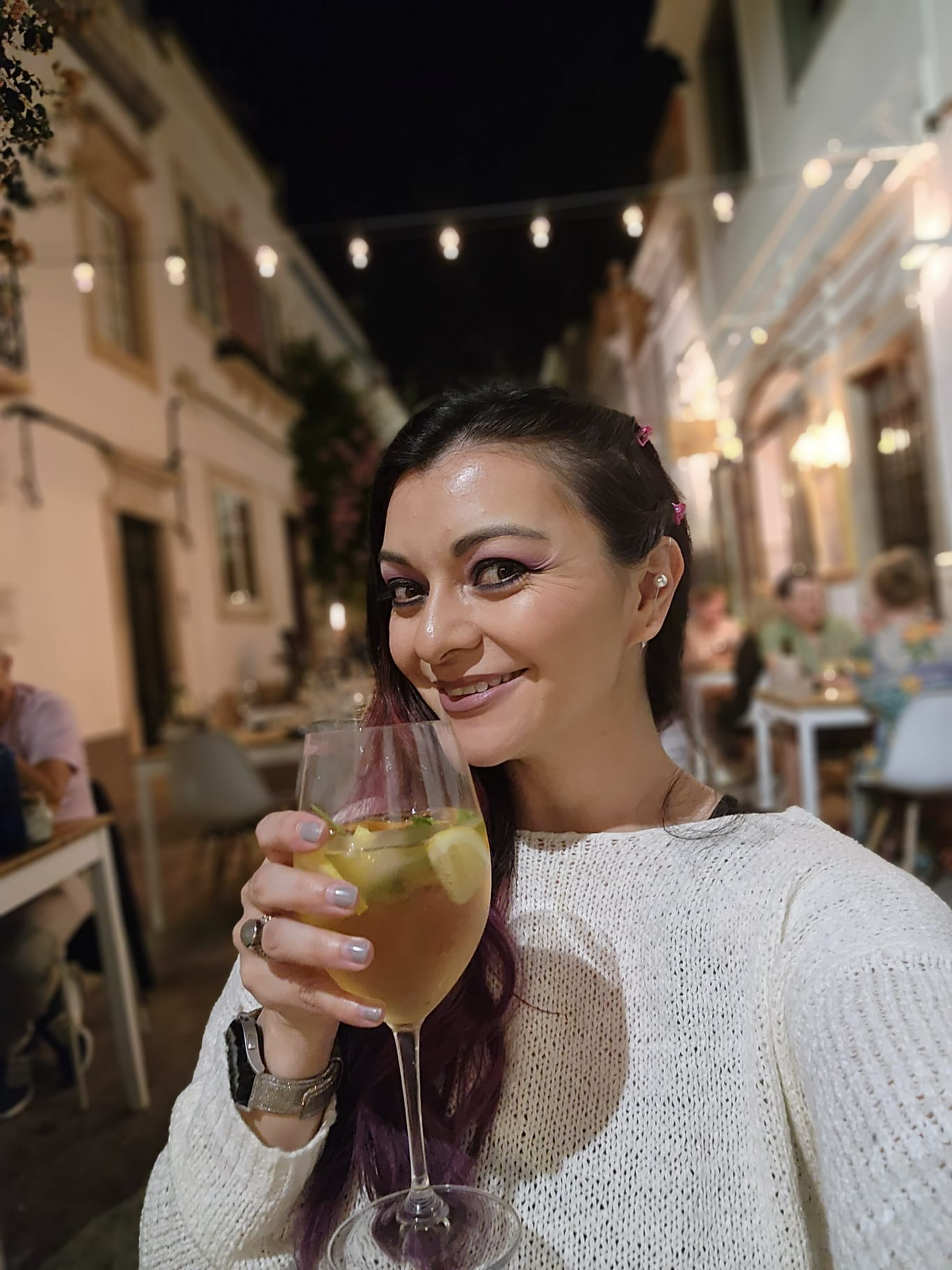
Even eating out reflects this slower rhythm. Dinner is not a quick transaction. It can easily last two hours or more because you are meant to enjoy the food and the company. The staff is not working for tips, so there is no subtle pressure to flip the table. If anything, if you rush, they will tease you and tell you to slow down and enjoy yourself.
Adjusting to this took time. I was so used to rushing through everything, constantly moving, constantly checking the next thing off the list. It felt like running in place. Now, I am learning to sit longer, eat slower, and let moments stretch out a bit. I am still working on it, but I love what it is teaching me.
It’s Not Perfect, But It’s Worth It
As much as I love living in Portugal, it is not perfect. Bureaucracy can move slowly. Things that would take one quick appointment in the United States can take multiple visits here. You learn patience whether you want to or not.
The language barrier can also be humbling. Even though many people speak English, there are still moments when I am trying to explain something important and realize my vocabulary is not quite there yet. It keeps me on my toes.
And yes, sometimes you will desperately need one specific thing, only to remember it is a holiday… and everything is closed. That takes planning.
But for me, none of those things outweigh what I have gained. They are adjustments, not deal breakers. Living here has shifted my priorities in a way that feels healthier and more sustainable long-term.
Why Portugal Still Surprises Me
There are honestly so many more things I love about living in Portugal that I could probably turn it into a full book and still think of more later. But these are the big ones. The ones that changed my day-to-day life in ways I did not fully understand until I experienced them.
Portugal is not perfect. Nowhere is. But for me, it has been transformative in the best way. It has given me more peace, more presence, and a completely different perspective on what a good life can look like. This lifestyle is especially suited for people who value safety, community, slower living, and experiences over constant hustle and constant noise.
If nothing else, I hope this inspires you to at least visit. Come see it for yourself. Wander the streets, sit too long at dinner, watch a sunset that does not feel rushed. It is an incredible country, and it just might surprise you the way it surprised me.
If You’re Thinking About Moving to Portugal
If you are considering making the move, these posts might help you decide:
Follow Me
Follow me on Instagram @vegas.to.portugal to see more about why I love living in Portugal, from my random adventures, gluten-free food info, and my daily life.
Leave a Reply