One of the best perks of living in the Algarve is that Spain is practically in our backyard. And if you are looking for a New Year’s Eve destination that is equal parts history, chaos, and accidental cultural education, let me tell you about how we ended up spending New Year’s Eve in Córdoba, Spain.
One of my goals for after we moved to Portugal was to spend New Year’s Eve in a new place every year. Our first New Year’s, we spent in nearby Monte Gordo; the 2nd, we couldn’t do much because we had just bought our apartment, so we watched the fireworks from home; and the 3rd, we spent in Tavira at the centro, where there is actually a huge party. I really wanted to go somewhere else, so I researched easy getaways from Tavira and decided on Córdoba, Spain.
Córdoba is only about a 3-hour drive away from Tavira. It would be an easy trip, and accommodation prices were pretty reasonable. I didn’t know much about Córdoba, but the more I researched, the more excited I got to explore. There were actually going to be some really cool things to see, and I was super excited to ring in the new year there.
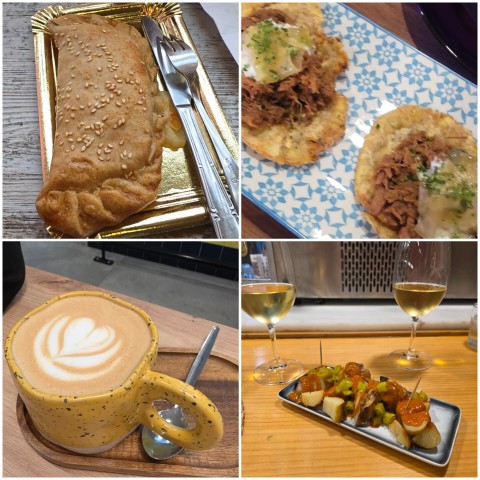
I’ll be posting my Córdoba food and restaurant guide soon, so don’t forget to check back.
Getting to Córdoba, Spain
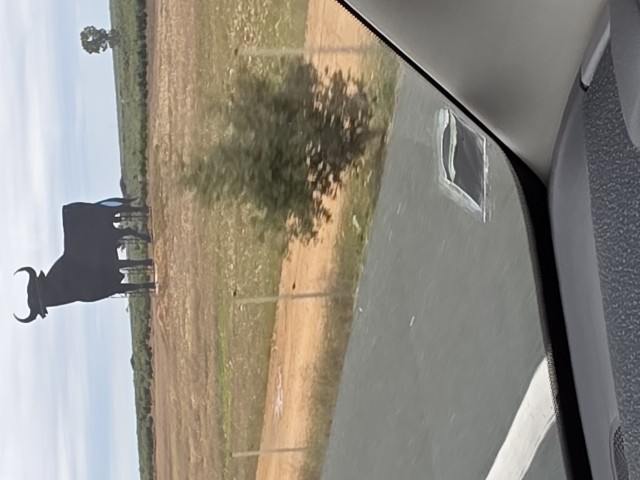
The drive from Tavira to Córdoba is just over 3 hours and pretty straightforward. The only real traffic is passing through Seville, and the scenery along the way is genuinely beautiful, rolling hills, olive groves, and charming little villages with castles that we absolutely told ourselves we’d stop at and then didn’t.
If you are not driving, Córdoba is actually one of the best-connected cities in Andalusia. The train is probably your best bet. The high-speed AVE train links Córdoba to Seville in about 45 minutes, Madrid in under 2 hours, and Málaga in about an hour. Tickets are reasonably priced, and you can book through Renfe or budget operators like Ouigo and Iryo. The train station is a short bus or taxi ride from the historic center.
There is also a small local airport, but for most travelers flying in, Seville or Málaga are your best international options, both with easy onward train connections to Córdoba.
One important heads up on parking: if you are driving like we did, the area around the Mezquita and the Jewish Quarter is a maze of narrow one-way streets and very limited parking. Budget extra time, have a backup lot in mind, and maybe do a little deep breathing. Ask me how I know.
Arriving in Córdoba: Parking Disasters
I booked an apartment in the Jewish Quarter of Córdoba. The property had contacted me with suggestions on where to park. Unfortunately for us, that lot was full. We ended up driving around for quite a while, trying to find an open lot. I think with the holiday coming up, there were a lot of people in town. In Europe, there tend to be a lot of one-way streets, so it was actually really difficult. Eventually, the lot we originally tried had open spots, so we were able to get in. It was less than a 10-minute walk to the apartment.
Our (Possibly Haunted) Apartment in the Jewish Quarter
We stayed in a cute little 1-bedroom apartment. It was comfortable and clean, and in a great location in the Jewish Quarter. And, I’m fairly certain it was haunted. Both nights, we heard what sounded like someone walking around the living room and moving our stuff around. I am not usually afraid of ghosts, so it didn’t keep me up out of fear; I was mostly just annoyed that whatever was in there didn’t have the decency to be quiet. Rude, honestly. Karl and I were trying to sleep. 😂
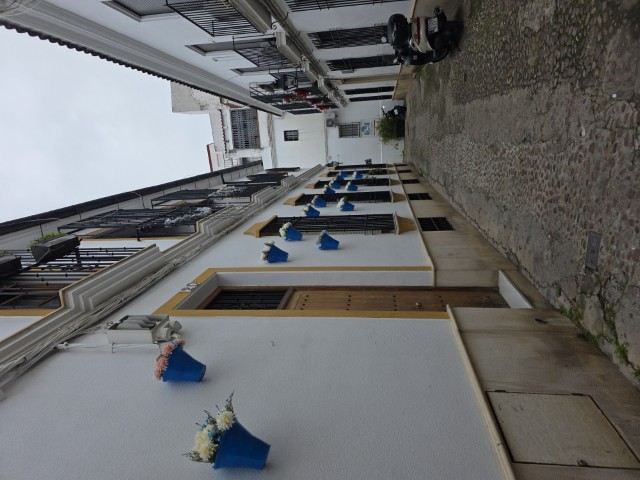
The Jewish Quarter is an area of the city where Jews lived between the 10th and 15th centuries. It was designated a UNESCO World Heritage Site in 1994 and is part of the historic center of Córdoba.
The area comprises a complex network of narrow streets surrounding a synagogue. A wall originally enclosed the area. The wall isolated the Jews from the rest of the city but also kept them safe from the attacks by the Christians. Today, the area is a main tourist area of the city due to the beautiful, ornately tiled courtyards and the flowers hanging from the walls. There are plenty of shops and restaurants around. It’s a beautiful area to wander around and get lost in.
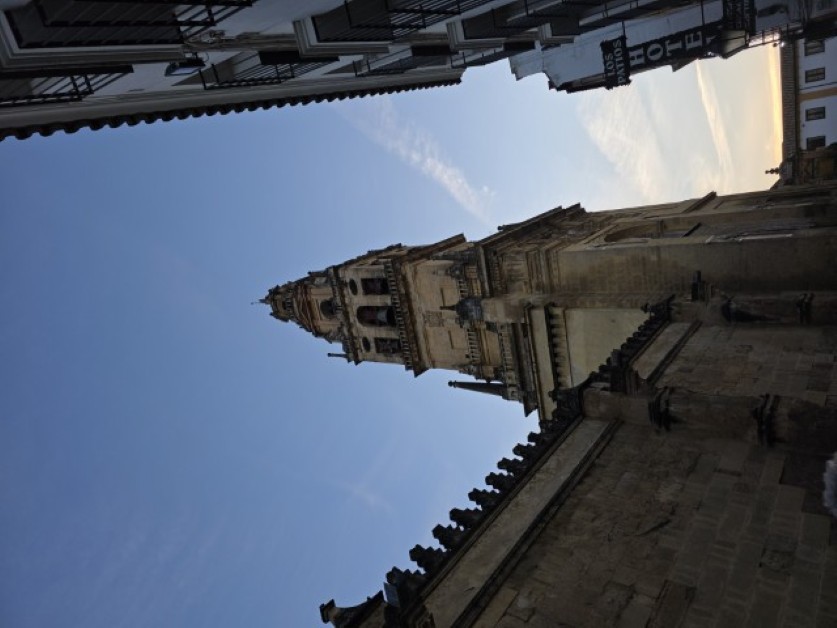
The Mosque-Cathedral
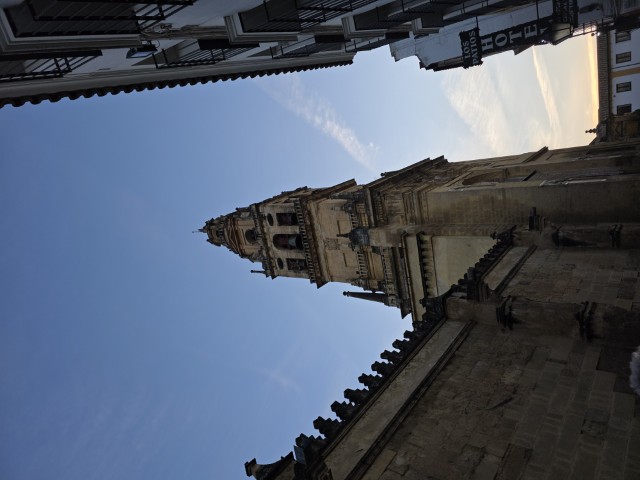
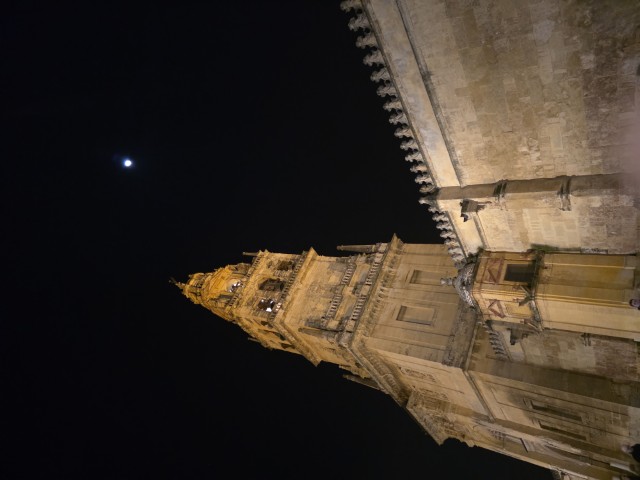
If there is one place in Córdoba that you absolutely cannot skip, it’s the Mezquita-Catedral, and honestly, nothing I say here will fully prepare you for what you’re about to walk into. It is STUNNING!!!!!!! This site has had more lives than a cat and has so much history. I will keep it short for you, though.
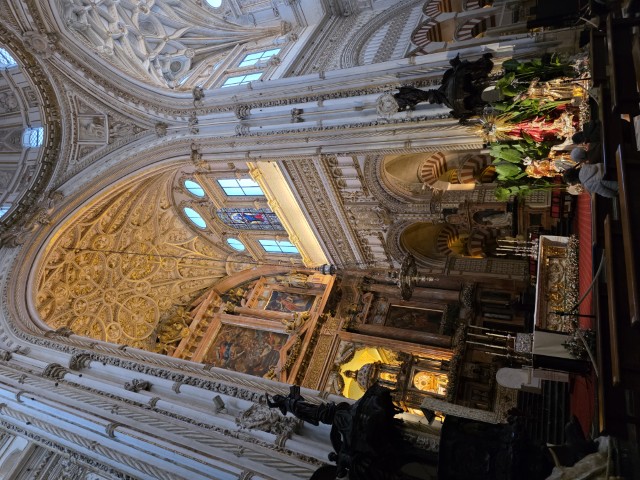
The Mosque-Cathedral started as a Roman temple, then was converted into a Visigoth church before the Moors took Córdoba in the 8th century. The Great Mosque was built in 785 on the orders of Abd al-Rahman I, and went on to become the second most important mosque in the Muslim world, second only to Mecca. Then in 1236, when Christian forces reclaimed Córdoba, they didn’t tear it down. They just built a cathedral inside it. Which sounds chaotic, but somehow works?
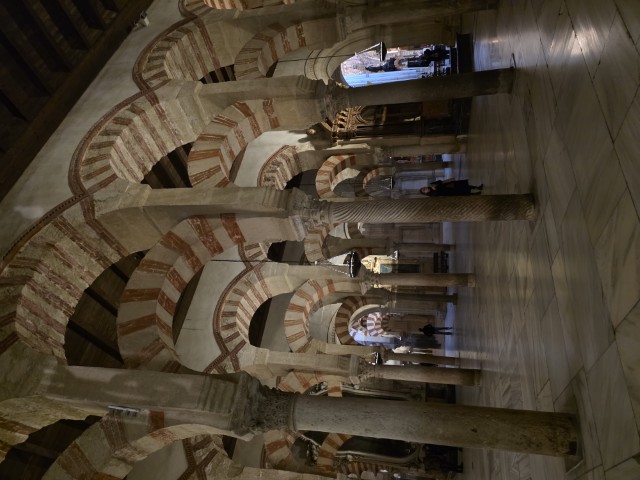
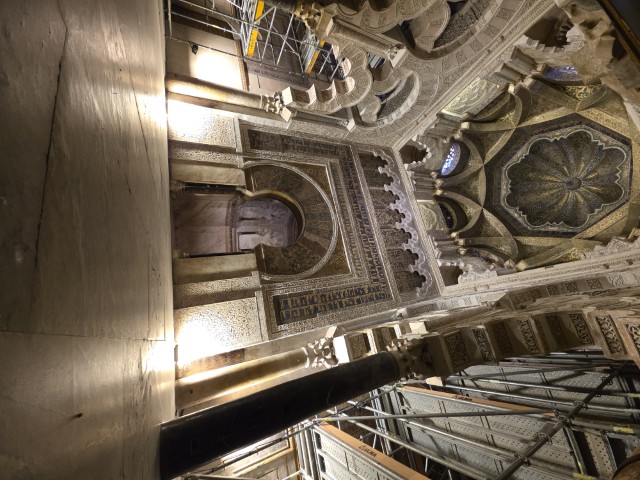
What you’re walking into is essentially a thousand-year architectural argument that nobody won, and the result is breathtaking. The iconic double-tiered arches, with their horseshoe and semicircular shapes, create an almost surreal forest of columns and light that made me stop dead in my tracks. At the center of the qibla wall sits the Mihrab, an octagonal structure with a scallop shell dome, surrounded by Quranic verses and covered in geometric mosaics. Then you turn a corner, and suddenly you’re looking at Gothic vaults, a Renaissance dome, and Baroque pulpits made of marble and mahogany. It’s a lot, in the best possible way. The building was declared a UNESCO World Heritage Site in 1984, and standing inside it, you completely understand why.
Visiting the Mosque-Cathedral
General admission is 13€ and includes access to the mosque interior. If you just want to wander the courtyard, that’s free. The bell tower is an additional 3€ and is worth it for the views. Hours are 10 am to 6:30 pm, with last entry at 6 pm.
Pro tip: free admission is offered Monday through Saturday from 8:30 to 9:30 am, so if you want to experience it without the crowds AND without spending 13€, set that alarm. You’re welcome.
I bought my tickets the same day, on the drive there, so booking isn’t always necessary, though it may vary by season. We went around 5 pm, and it was noticeably less crowded the closer it got to closing time, which I highly recommend. Bonus: it was sunset by then, so the light inside was this gorgeous, dim golden glow that made for some of my favorite photos of the whole trip. Honestly, a happy accident that I’d absolutely do on purpose next time.
A few things to keep in mind before you go: this is still an active Catholic church with masses regularly held, so dress appropriately and keep your voice down once you’re inside. You can find the mass schedule on the official website if you want to plan around it or catch a service.
Wandering around Córdoba
If you have been reading my posts, you will know that my travel tends to be a bit unplanned. I believe the best way to explore a city is on foot, stopping at bars, restaurants, and maybe some shops along the way.
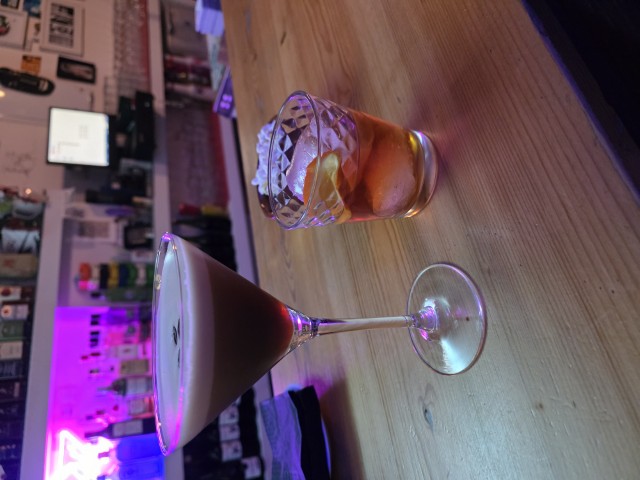
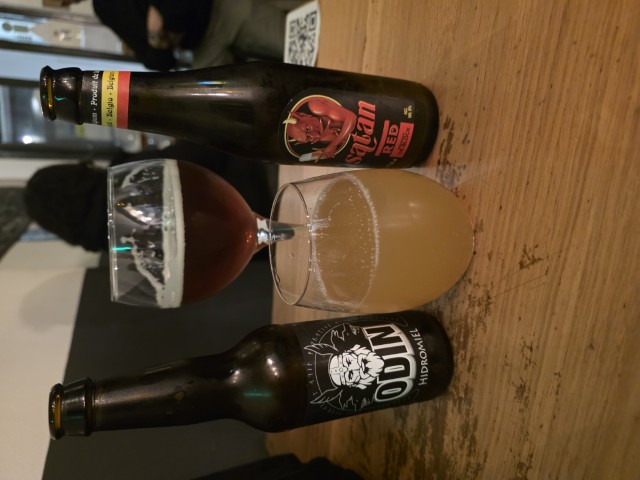
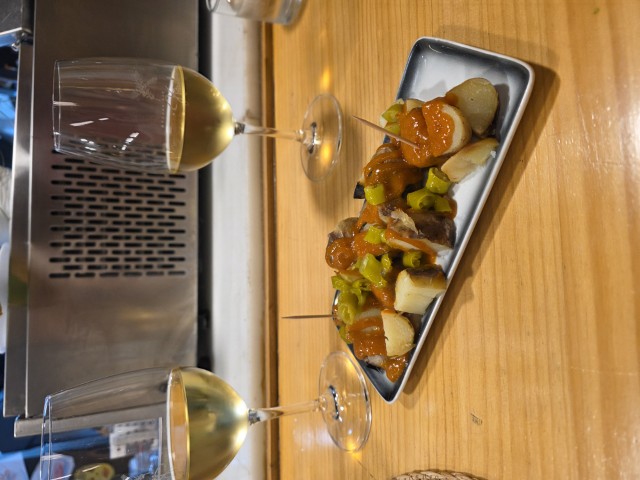
After visiting the Mezquita, that’s exactly what we did. We started with drinks at Bar Lido, a classic local spot by the river, then made our way across town to La Trapperia Beer Shop for some craft beers, which was a great find because they had a good Hidromel. We grabbed dinner at Brasas Bar Karibu and wandered our way through the city in between.
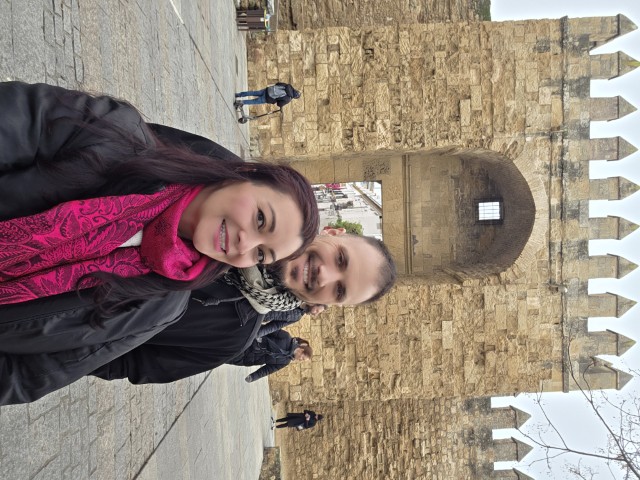
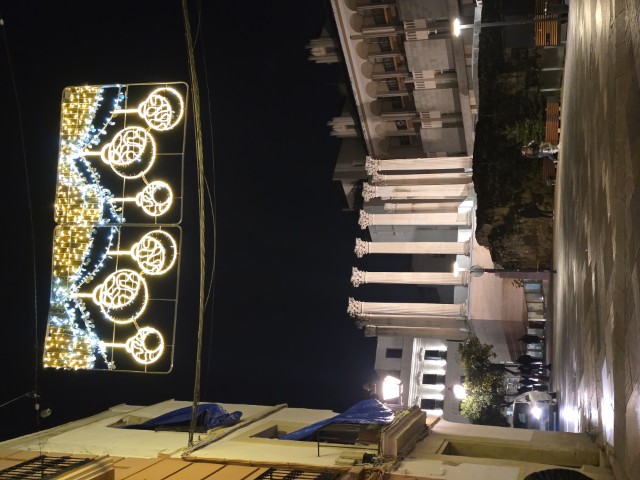
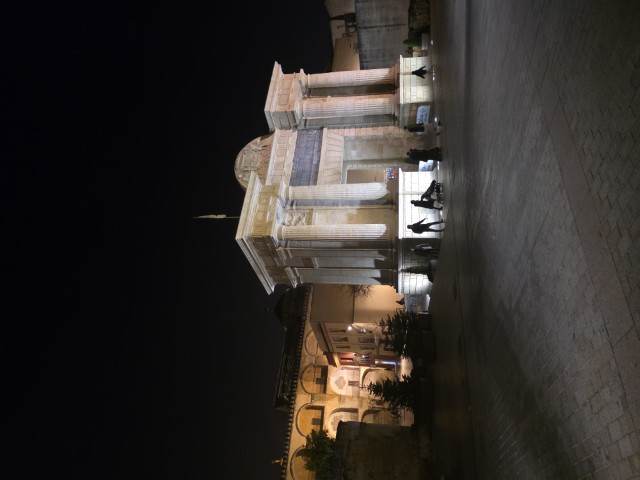
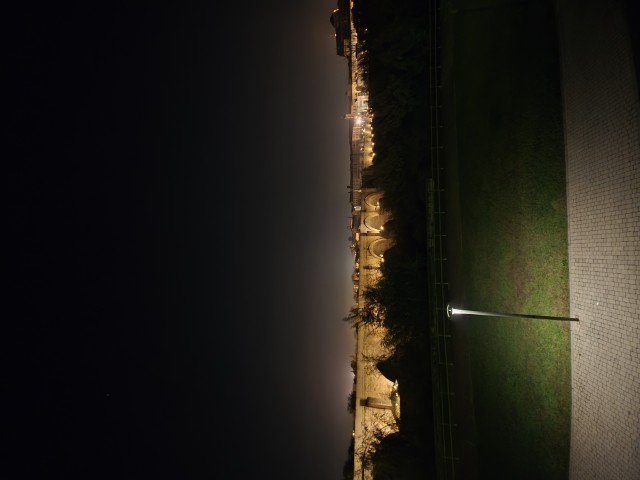
Along the way, we also got to see some of Córdoba’s other iconic landmarks. We walked through the Puerta del Puente, the grand city gate that marks the entrance to the historic center, and made our way to the Roman Bridge. Built in the 1st century BC to span the Guadalquivir River, this bridge has been standing, in one form or another, for over 2,000 years. It was actually the only bridge across the river for most of that time. Most of the current structure dates from a Moorish reconstruction in the 8th century, so even the “newer” parts are over a thousand years old. At night, it was all lit up and absolutely stunning to walk across. Definitely don’t skip it.
New Year’s Eve Day in Córdoba
Our second day started with getting a Bolt to Sensible’s Bakery, a 100% gluten-free bakery, for some goodies. It was a bit far from the busy area, but I will absolutely travel for gluten-free pastries, zero regrets.
It is more of a grab-and-go spot than a sit-down café. There is a bar area with some stools but seating is limited, and fair warning, they did not have coffee despite visibly having a coffee machine, which was a little mysterious. Possibly a New Year’s Eve thing, possibly just a vibe.
We ordered empanadas, ham and cheese for me, and veggie for Karl. They were both cold, which was a little disappointing, but they probably would have been better warm. I also got a chocolate roll cake that tasted exactly like a Little Debbie snack cake, and I mean that as the highest possible compliment. Delicious and oddly nostalgic. They had a great selection of breads and even options for custom cakes, so if you are celiac or gluten-free, it is absolutely worth the Bolt ride.
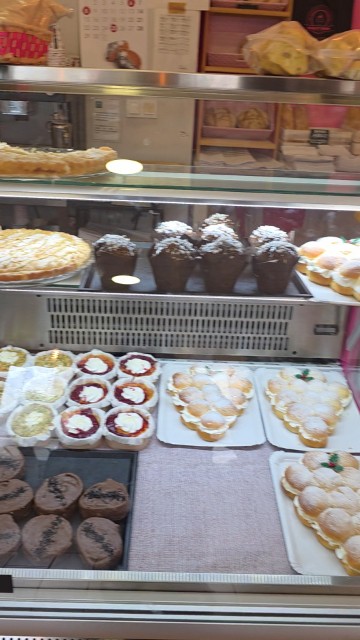
We had a bit to eat there and then walked back towards our area, exploring the commercial district where a Christmas children’s carnival was still going on. There were tons of shops, including a big El Corte Inglés, and it was a nice sunny day with everyone out enjoying it.
New Year’s Eve Lunch
I hadn’t thought about dinner reservations early enough, so by the time I tried to make some for the restaurant I had found, it was full for dinner. They did have spaces for lunch, though, so we decided to go with that instead, and honestly, it worked out perfectly.
Restaurante La Vianda de Maria is highly rated and has a really nice vibe, not stuffy but definitely a step above casual. It was a great spot to celebrate the end of 2025, even if 2025 did not deserve a fancy lunch. For those of us with celiac, the staff were genuinely knowledgeable about gluten and knew exactly what I could and couldn’t eat, which always makes the dining experience so much more relaxing.
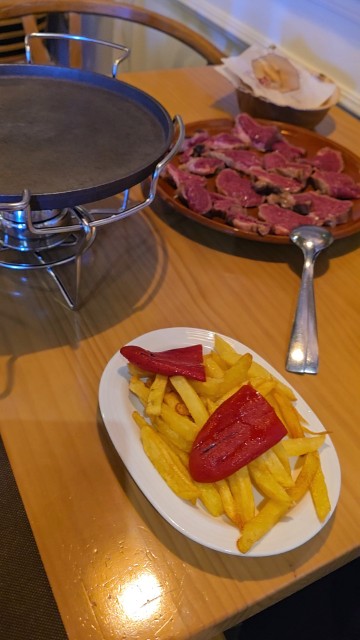
We went with the lomo a la piedra, steak cooked on a hot stone right at the table, with french fries, and a glass of white wine. Dessert was flan, which was the perfect ending. Highly recommend if you are looking for a solid, gluten-free-friendly lunch spot in Córdoba.
After our amazing lunch, we went back to the apartment to get a nap before the New Year’s Eve Festivities.
New Year’s Eve
Our plan for New Year’s Eve was to head out around 8 pm, have some drinks, grab some light food, and just bar-hop until closer to midnight. There was going to be a big celebration in the Plaza de las Tendillas. So we figured we would start near our apartment and work our way from there. Well, things are different in Córdoba…
Córdoba isn’t a very touristy city. It is much more of a regular Spanish city. So like everything was closed. We went to one bar, ordered drinks, and they told us they were closing in 10 minutes. Ok, we went to another bar, ordered drinks, and they also informed us it was last call. Um, it was like 8 pm, what was happening? Also, there was nowhere open for food. Not even Burger King was open. At 8 pm. On New Year’s Eve. (I was excited for Burger King because I never really eat fast food, but they have gluten-free options in Spain!) So we went back to our apartment because there was literally not much we could do, and it was freezing!
Luckily, we had some snacks, so we relaxed for a while (honestly, I took another nap) and then we went out again. This time it was much closer to midnight. We went and found a spot at the plaza, with a good view of the stage, and waited for the clock to strike.
New Year’s Eve Traditions in Córdoba, Spain
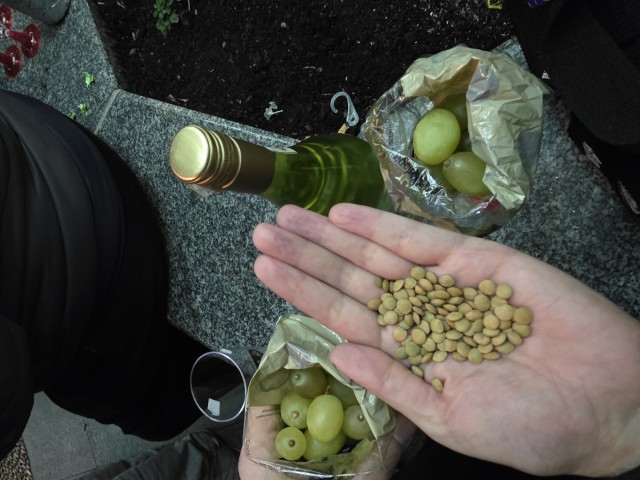
So I had read about the Spanish New Year’s Eve tradition of eating 12 grapes at midnight and then drinking sparkling wine, preferably Cava. I had grabbed a bottle of Moscato and found some plastic flutes with 12 grapes at one of the little stores. We were ready for midnight!
Near us, a group of friends was getting set up as well, and one of them asked if we had lentils, then handed me a handful. Quick cultural note for anyone as clueless as I was in that moment: lentils are a Spanish New Year’s tradition where each little lentil represents a coin, and carrying or eating them is meant to bring wealth and prosperity in the coming year. Now I know! In the moment, though, I had absolutely no idea. My Spanish is good, but the explanation got a little lost in translation.
It also got close to midnight, and I realized there was no countdown. I saw on my watch that it changed, and everyone was kind of on their own timeline. So we ate our grapes, and then I passed a handful of lentils to Karl, he passed them back, some went in my pocket, and some I threw up in the air because that is what I think she told me to do. So I guess I will see how 2026 plays out, or if I totally fumbled the prosperity ritual. 😂
We stayed out for a while longer, but as I said before, it was freezing cold! Also, there were like no restrooms available, and nothing opened, so I decided I’d rather just go back and be warm in our apartment.
What I’d Do Next Time in Córdoba, Spain
Córdoba genuinely surprised me, and there is enough there to fill a longer trip easily. A couple of things were on my radar that we didn’t get to, and they are now firmly on the list for a return visit.
The Alcázar de los Reyes Cristianos is a former royal palace right in the historic center and one of the city’s most iconic landmarks. Just a heads up that if you go without a guide, you will want to do some research beforehand, since there is apparently very little information posted inside.
Casa Andalusi is a Moorish house museum tucked away near the synagogue in the Jewish Quarter. It is described as one of those places that completely transports you, with a tranquil courtyard, running water, and Islamic music playing softly in the background. Basically, the opposite of our NYE experience at 8 pm, when everything was closed.
If you have more time, Medina Azahara is worth the short trip outside the city. It is a massive archaeological site that was once the administrative capital of the Moorish caliphate, essentially the most powerful city in the Western world at its peak. It has been a UNESCO World Heritage Site since 2018 and is only about 8km from the city center.
A Few Things to Know Before You Go
Córdoba is not a particularly touristy city, which is honestly part of its charm, but it does mean you should come a little prepared. English is not widely spoken, so having a translation app handy is a good idea. Google Translate’s camera feature is your best friend for menus.
Also worth knowing: like most of Spain, things close. Many restaurants and shops close on Sundays or Mondays, and on public holidays, you can expect the city to be almost completely shut down. We experienced this firsthand on New Year’s Day when even the coffee shops were shuttered. Plan accordingly and maybe pack some snacks just in case.
Leaving on New Year’s Day
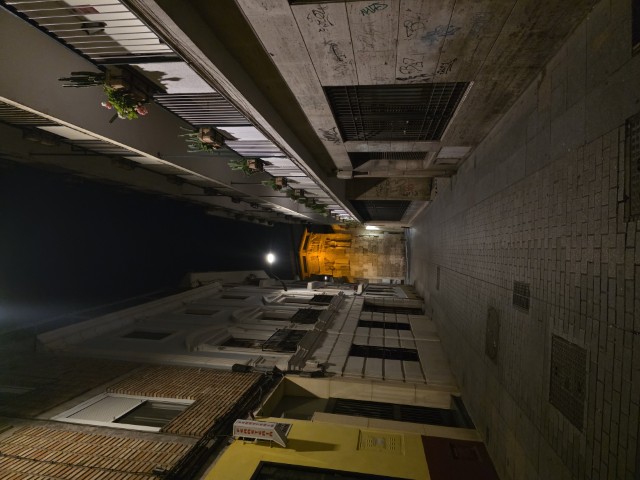
When I was first planning the trip, I debated whether to come back home on New Year’s Day or the day after. I was glad we decided to leave on New Year’s Day, because nothing was open. Nothing. Not even a coffee shop. We packed up the car, and as we drove out of town, it almost had an eerie feeling to it. There was like no one on the streets, everything was shuttered up, and there were zero cars. If we had stayed, it would have been a very hungry day lol. We headed back home and stopped at a gas station along the way for coffee and a protein bar.
Córdoba: Unexpected, Unforgettable
Córdoba was not what I expected, and I mean that in the best way. Yes, we stumbled into a ghost town on New Year’s Eve, accidentally botched a prosperity ritual, and ate a gas station protein bar on the way home. But we also walked across a 2,000 year old Roman bridge at night, stood inside one of the most breathtaking buildings on the planet, and got handed lentils by a stranger who just wanted us to have a good year. That’s travel, honestly.
If you are passing through Spain, do not sleep on Córdoba. Spend at least two nights, get lost in the Jewish Quarter, see the Mezquita-Catedral, and maybe do a little more research than I did about what’s open on New Year’s Eve. I will definitely be back to see everything I missed, and next time I will nail the lentil thing.
Have you been to Córdoba? Drop a comment below and let me know what I absolutely have to see on my next visit!
Other Spain Adventures
Check out my other Spanish Adventures:
Follow Me
Follow me on Instagram @vegas.to.portugal for more about my travels, gluten-free adventures, and life as an expat in Portugal. You can also follow me on TikTok @expat.in.portugal, where I share even more., like this video of the Mosque Cathedral. 💙